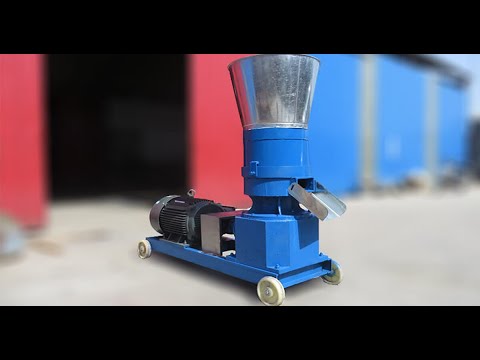
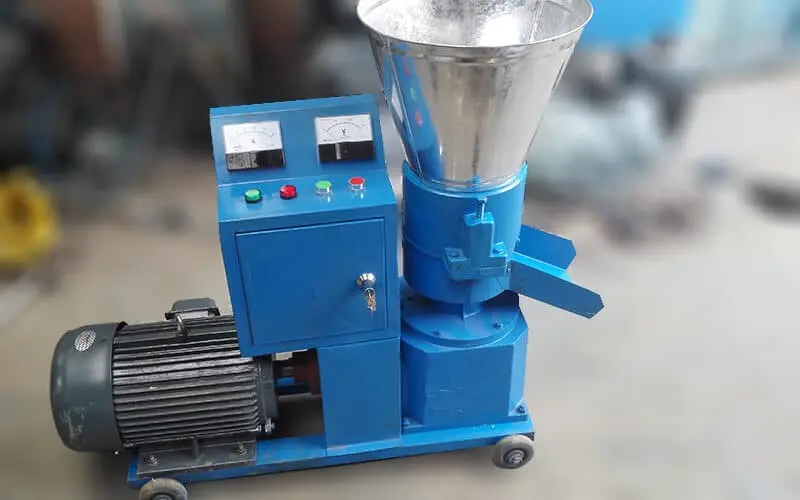
| Production Output | 0.1-2 t/h |
| Power | Electric motor or diesel engine |
| Voltage | 110-415V |
| Raw Materials | grass, hay, alfalfa, straw, cereal, corn, wheat, barley flour, soybean, oil seed meal/cake, edible leaf, fish meal, bone powder, etc |
| Type | flat die type |
| Final product size | 3-10 mm |
| Application | feed pellet producing, feed pellet industry |
| Used For | animal feed production, poultry feed production, fuel pellet production |
Introduction to Grass Pellets
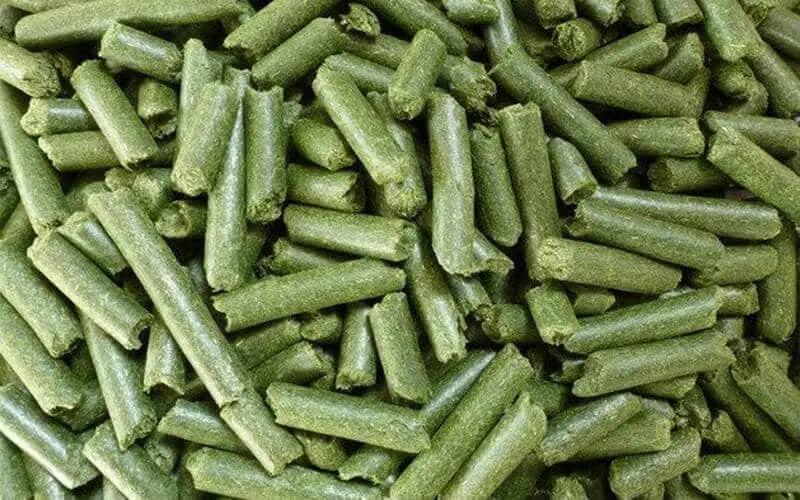
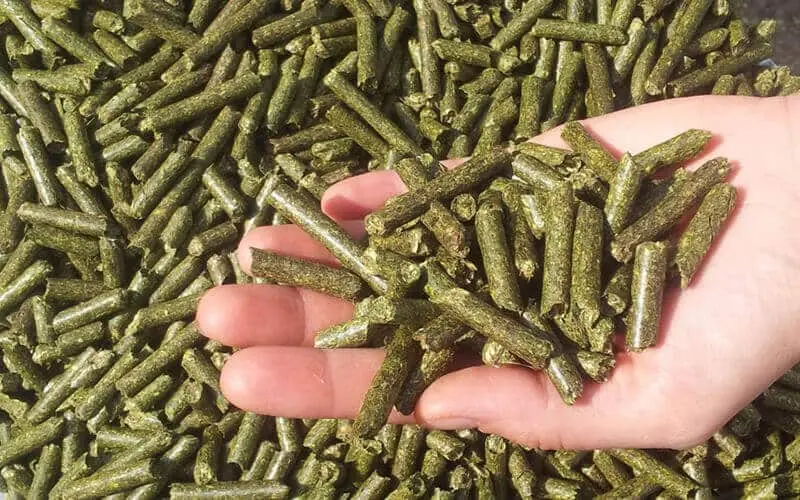
Grass can not only be used for making feed pellets but also can be used for making biofuel pellets. Grass biofuel pellet is a kind of pellet produced by pressing chopped grasses into a form similar to wood pellets. Making pellets from grass cost less than making pellets from wood. Grass is lighter than wood. This characteristic often means the pellet mill components, like the die and rollers, experience less abrasive wear. The machine can also sometimes run faster and make more granules each hour.
Large scale production of grass fuel pellets can be of a benefit to agriculture and the rural economy, as well as ecologically attractive. Grass pellets, are one of the newer types that are gradually becoming popular and replacing wood pellets that are used in home and for commercial purposes as well. Grass pellets are one kind of green energy resource.
With the wide distribution and sustainability of raw materials, the biomass pellets have been an available alternative to traditional fuels. Compared with coal and gas, grass pellets are of equally efficiency but lower cost. The most important point is, they can be made at home completely. All you need is a grass pellet mill.
Are you specifically processing high-protein alfalfa? Check out our dedicated [Alfalfa Pellet Mill] for specialized feed solutions.
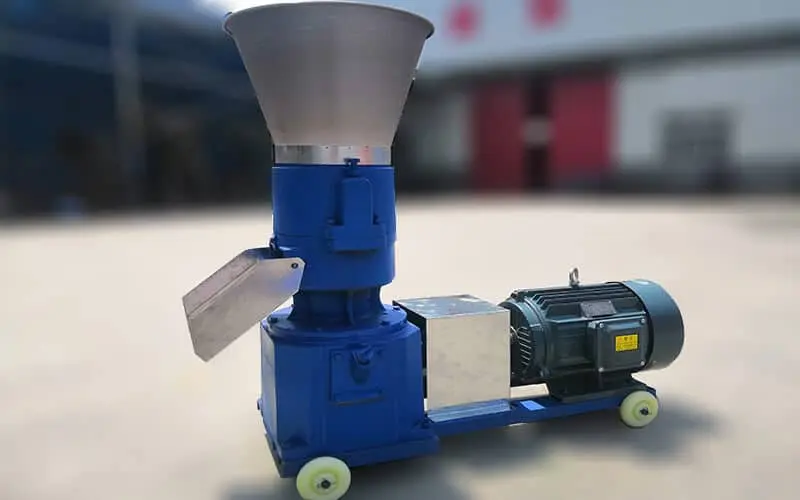
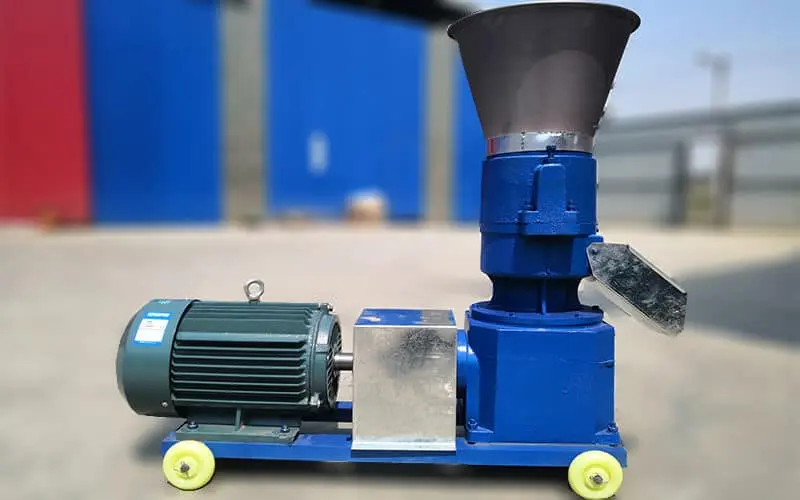
Benefits of Making Grass Pellets
- Seasonal utilization: The growth and utilization of the fodder are greatly influenced by seasons. Forage turn wither and yellow with less nutrients in winter . Yet, forage grow vigorous with more nutrients so that livestock can’t eat them up in warm seasons. So, in order to make full use of grass in the warm season to make the effect to come true, the livestock and poultry can be fed in winter with the grass pellets conserved in process of mowing, drying, crushing.
- High transform rate: Feeding the livestock and poultry with the grass feed pellets in winter, we can gain more meat, egg and milk with less forage. To create a basic grass feed pellet ration, you can follow this general guideline: Mix 55-60% herbs (like dried hay or straw). Add 35-40% grains (corn, sorghum, oats, or wheat bran). Include 1-3% minerals and vitamins. Then, use a grass pelletizer to press the mix into feed granules.
- Small volume: Grass pellet is only around 1/4 of the raw materials in volume in favorable for storage and transportation. In addition, less dust is beneficial to the health of human and animals.
- To increase palatability and improve the quality of forage: For instance, sweet clover possesses a flavor of coumarin which livestock more or less don’t like it. However, it becomes another forage with a strong palatability and high nutritional value.
- To spread the source of fodder: such as caragana, optimal quinoa, hedysarummaxim. Etc which have the thick branches turn to the favorable forage once processed into the grass pellets after crushing. Moreover, secondary product of other crops such as abortive shell, straw as well as all kinds of leaves also can be processed into grass pellets and feed livestock and poultry.
Factors to Consider When Buying a Grass Pellet Mill
- First some of the factors to consider when buying a grass pellet mill include its size, which will be likely determined by the amount of pellets that need to be produced.
- Second, the amount of money set aside for the purchase is also a factor to consider ensuring that the grass pellet mill machine bought is worth the money it is bought for.
- Third, there are a number of companies that sell grass pellet machines, thereby making it important to have an idea of what they are offering and at what price so as to get a good deal and at a good price.
- Fourth, grass pellet machines are available in a variety of types, which makes it important to be aware of the one that is needed beforehand to make the selection process much faster and easier as well.
- Fifth, you need to make sure that the machine works with the way grass behaves as a raw material. Choose models with a force feeder or anti-bridging agitators in the hopper. These stop the light, fibrous stuff from getting stuck. You should also look for dies and rollers that have hardened. You should ask the sellers for the compression ratio of the die that is specific to grass, which is usually higher than for wood.
Purchasing a grass pellet machine is a good way to use grass, which is a commonly available raw material to be used as alternative fuel for home use or even commercial purposes that results in the reduction of expenses related to fuel.
Grass Pellets Production Process
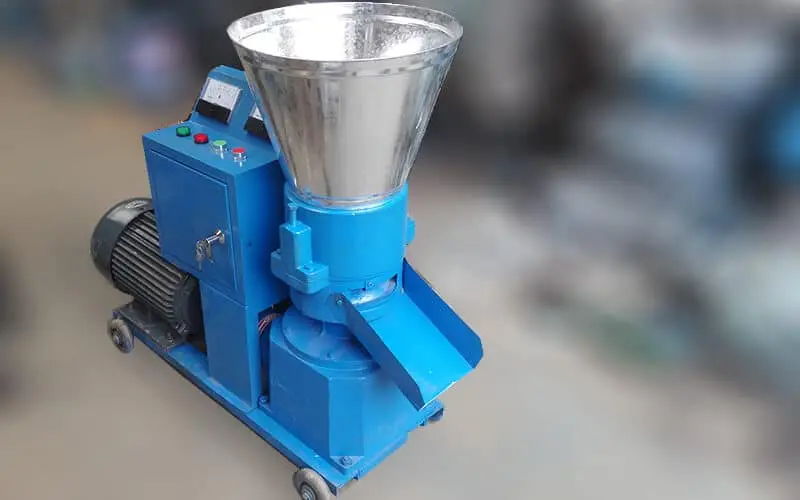
How to make grass pellets? This is a six steps procedure of pellet production plant that is followed to make awesome and very high quality pellets with exceptionally good output. The process involves the use of grass pellet making machine that take the following production stages.
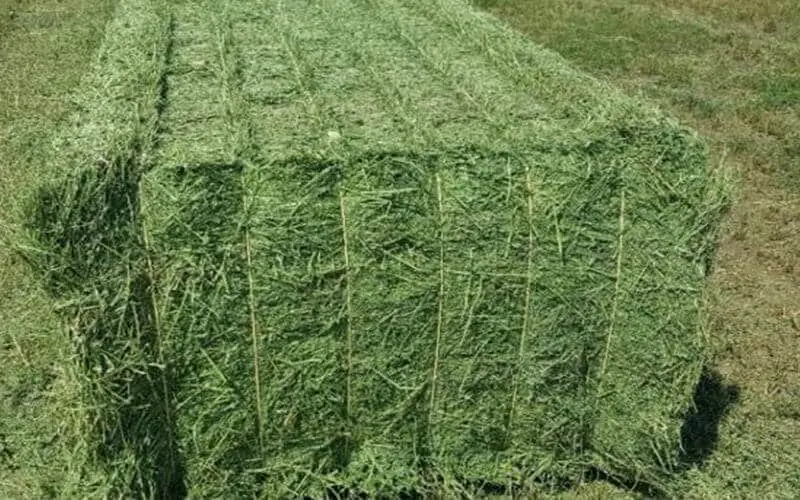
- Step 1: The first stage involves collecting the mowed grass. It is after collecting the materials that one is supposed to lay them in the sun for drying, while laying them in a thin layer after which pilling is done.
- Step 2: The second step is starting the grass pellet mill and preheating it for some minutes. This is done to ensure that ones the grass is put inside the machine, the little left moisture is dried. It is also done to melt the lignin part of the grass to allow for gluing which makes the resulting pellets to come together.
- Step 3: Thirdly, a container is put under the chute of grass pellet machine.This container serves as a collecting pit for the resultant pellets.
- Step 4: The fourth step involves adjusting of the moisture content depending on the finished pellets. This process involves accessing the ready pellets where by, if the pellets are crumbly, then the implication is that the pellets are very dry and thus the grass should be mixed with some water. Mushy pellets thus imply that the pellets have high moisture content and so the grass has to be dried longer in the sun.
- Step 5: The fifth step is to cool the cool the pellets in the air before storing. This step prepares them for burning and thus one can comfortably use them as fuel.
- Step 6: The last step is generally collecting the unspent pellets and parking them in bags for future use.
Electric vs Diesel Grass pellet mill specifications
electric grass pellet machine
| Model | Electric Power(kw) | Output(kg/h) | Weight(kg) |
| VTKLP-125 | 3 | 50-80 | 80 |
| VTKLP-150 | 4 | 100-150 | 110 |
| VTKLP-210 | 7.5 | 200-400 | 210 |
| VTKLP-230 | 11 | 300-500 | 280 |
| VTKLP-260 | 15 | 500-700 | 300 |
| VTKLP-300 | 18.5 | 700-900 | 500 |
| VTKLP-360 | 22 | 900-1200 | 700 |
| VTKLP-400 | 30-37 | 1200-1500 | 900 |
diesel engine grass pellet machine
| Model | Diesel Engine Power(HP) | Output(kg/h) | Weight(kg) |
| VTKLP-125 | 4 | 50-80 | 100 |
| VTKLP-150 | 5 | 100-150 | 150 |
| VTKLP-210 | 10 | 200-400 | 260 |
| VTKLP-230 | 15 | 300-500 | 350 |
| VTKLP-260 | 20 | 500-700 | 420 |
| VTKLP-300 | 25 | 700-900 | 650 |
| VTKLP-360 | 30 | 900-1200 | 900 |
| VTKLP-400 | 40-50 | 1200-1500 | 1200 |
Grass Pelletizing video