Blog - Victor Pellet Mill

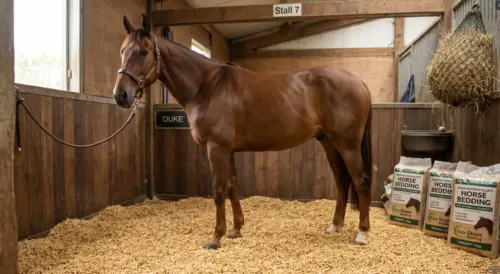
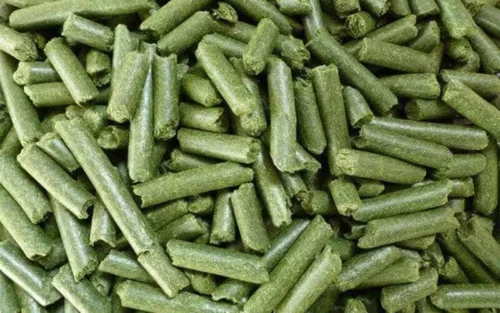
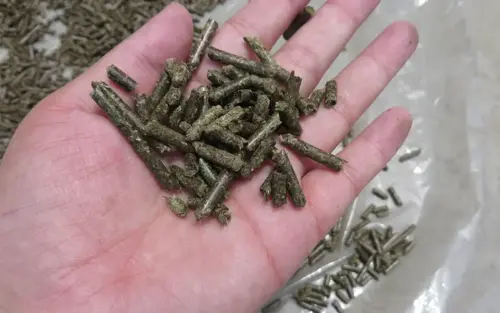
straw pellets for horse bedding

Making Pellets for Animal Bedding

Straw pellets can not only be used for biomass pellets fuel, but also can be used for animal bedding, straw pellets for animal bedding is the most comfortable to animals. Straw pellet used a bedding for animal is an efficient and eco-friendly comparing with existing other kind of common bedding which is already known and litter products for animal bedding. Less material is needed for equivalent absorbency, which saves you…

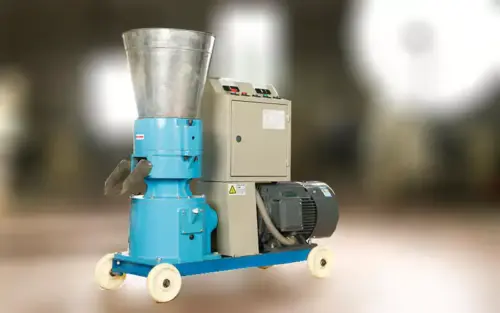
flat die pellet press part roller and die

Why Failure in Making Feed Pellets

The main working parts of flat die pellet press machine are the rollers, the shaft bearings, the gears, and the flat dies. The easy-damaged parts are the gears the rollers and the die. According to feedback from our customers, the spare parts takes up approximate 8% of the machine cost every year. Because when a pellet press machine works, the materials are forced by a plate flat die,which is usually…

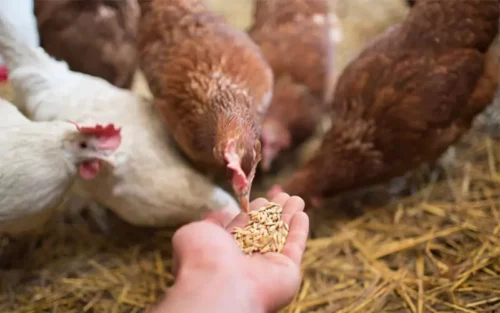
homemade chicken broiler feed formulation local low cost broiler feed ingredients

Animal Feed Formulation & Ingredients

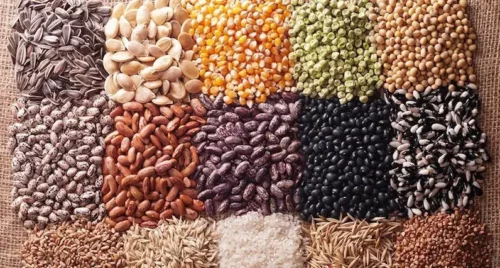
Abundant resources can be used in making animal feeds and aquatic feed, such as palm meal, rice bran, beans, soybean meal, corn, cassava, fish meal, and fish oil. Animal Feed Ingredients Analysis Cassava: Cassava as a local crop, featured with low price and high nutritional values, it is widely used in making animal feeds. The starch in cassava has a higher digestibility than corns. Corn: Corn, as the main raw…

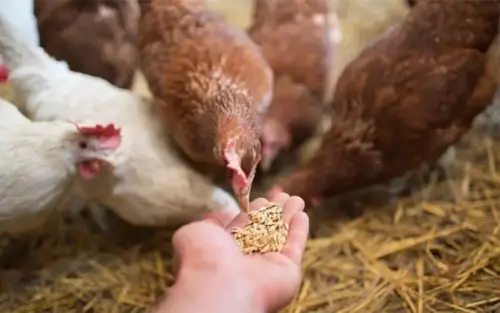
Pelleted Feed for Poultry and Livestock Nutrition

Benefits and Advantages of Pelleted Feed

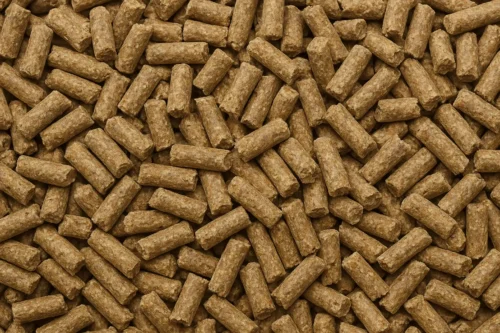
1. Homogeneity of nutrients balance of nutrients and substances is guaranteed in each individual pellets by the principle of “all the ingredients in each pellet”. Because of the uniformity and homogeneity of pellets every component of the feed is consummated, which is a common problem when feed is mixed manually. 2. Health, safety and purity Thermal treatment of ingredients reduces the content of undesirable microorganisms and their toxins in feed…

pet food manufacturing plant machinery in USA

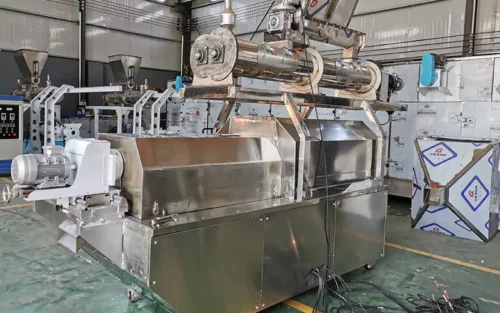
Pet Food Extrusion Process

Do you want to know what makes the crunchy kibble that your dog loves so much? It’s not as easy as just pushing things out. Extrusion is a great way to make food for pets. This is the technology that makes pet food safe to eat, easy to digest, and safe to keep. This guide is for people who want to start a pet food business, own a brand, or…

temperature of pelleting feed

Right Temperature of Pelleting Feed

You want to make good feed. The kind of feed that results in hard, solid pellets that your animals love to eat. The secret to doing this is getting the temperature right. But it’s not just one simple number. It’s a skill. If you get the feed too hot, you can burn away the good nutrients. If it’s too cold, your pellets will just crumble into dust. This guide will…

formula pig feed ingredients

Organic Pig Feed Pellet Production

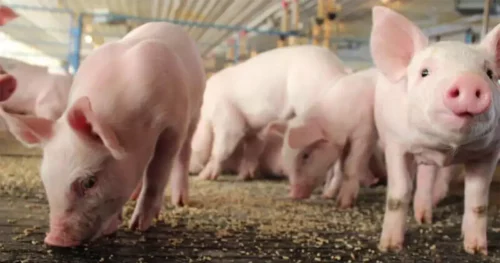
Making organic pig feed pellets is more than just mixing grains and pressing them into pellets. You need to understand the feed nutrition, pig behavior, and the small details that can make a big difference in herd health and performance. Pig farmers find they can improve feed quality, reduce waste, and even lower overall costs with the right approach. They often take feed production into their own hands. Why Pellets…

pig feed pellet size

Pig Feed Pellet Size

As a pig farmer, you may invest in a lot of high-quality pig feed formulation. But if your pigs cannot eat the feed comfortably or they waste it, you will lose money. The secret is not just what is in the feed but the appropriate size of pig feed pellets. Matching the appropriate size of pig feed pellets to different pigs’ ages can improve feed intake, reduce waste, and boost…

alfalfa pellets for fuel

How To Make Alfalfa Pellets

You know how hard it is if you are a farmer. You need to keep an eye on your costs while also keeping your animals healthy. You can use alfalfa pellets to help with both. These are little, tight balls made from dried alfalfa hay. They are easier to store than big bales of hay, and each pound has 30% more good food in it. But the best part is…

How to Make Catfish Feed

How to Make Catfish Feed

Ask any catfish farmer what their biggest regular expense is, and they’ll likely say “feed.” It’s true – feed costs can take a big bite out of your profits. Plus, with commercial feed, you’re not always 100% sure about the quality or how fresh it really is. But what if you could change that? Making your own catfish feed puts you in the driver’s seat. You control the ingredients, the…