
Introduction
Have you ever been in the pet food aisle and looked at the extensive list of ingredients on a bag of pet food and felt a little overwhelmed? Knowing what these ingredients are is the most important thing you can do to pick the greatest food for your pet’s health.
The Goal of Formulation: What “Complete and Balanced” Really Means
You might encounter the phrase “complete and balanced” on packs of pet food a lot. The Association of American Feed Control Officials (AAFCO) establishes the nutritional guidelines for pet food in the United States.
A food that is branded “complete and balanced” has all the nutrients it needs in the right amounts. This means that the food can be the only thing that gives a pet nutrients for a certain stage of life.
The Building Blocks: Breaking Down Pet Food Ingredients by Nutrient
1. Protein Sources (The Foundation of the Diet)
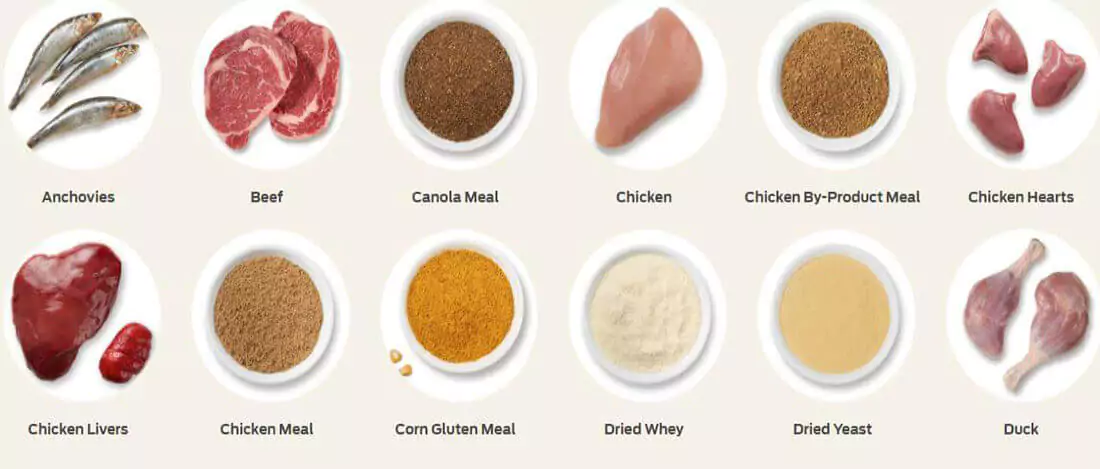
Your pet needs protein to stay healthy. It helps their skin, coat, muscles, and organs grow and heal. Some common sources of protein are:
- Whole Meats: Chicken, Beef, Lamb, or Fish.
- Meat Meals: Chicken Meal or Fish Meal. A “meal” is a concentrated protein source. It is made by grinding and drying the meat and bone.
- Plant-Based Proteins: Pea protein or soybean meal.
2. Carbohydrate Sources (For Energy)
Carbohydrates provide your pet energy right away. Some common sources of carbohydrates are:
- Grains: Corn, Rice, Barley, and Oats.
- Grain-Free Sources: Potatoes, Sweet Potatoes, and Peas.
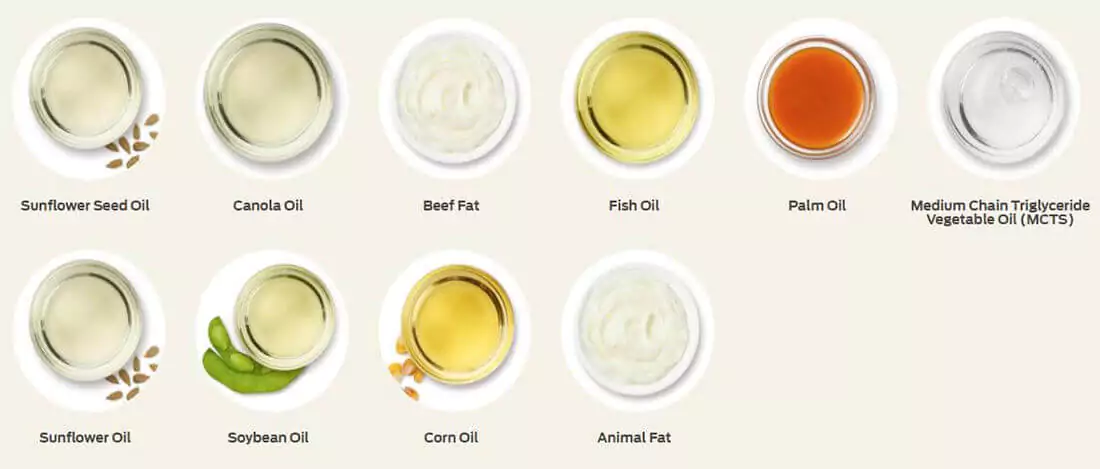
3. Fats & Oils (For Energy and Health)
Fats are a good source of energy for pets. They include important fatty acids like Omega-3 and Omega-6. Some good sources are:
- Chicken Fat
- Fish Oil
- Flaxseed
- Sunflower Oil
4. Fiber Sources (For Good Digestive Health)
Fiber is important for keeping your pet’s digestive system regular. Common fiber sources are:
- Beet Pulp
- Pea Fiber
- Oat Fiber
- Inulin
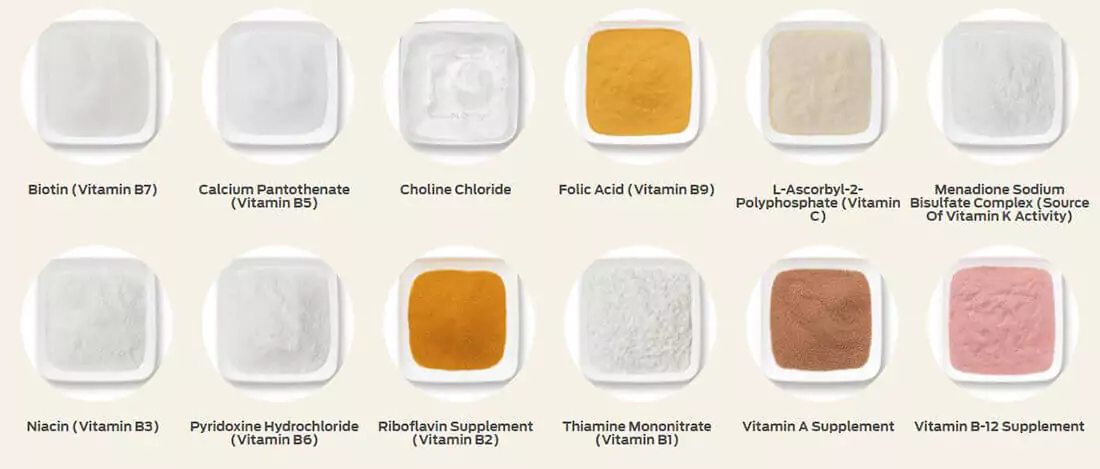
5. Vitamins & Minerals (The Essential Micro-Ingredients)
Vitamins and minerals are crucial for thousands of functions in your pet’s body. Key examples include:
- Vitamin E
- Taurine
- Calcium and Phosphorus
- Zinc
6. Beyond the Basics: Understanding Common Additives & Supplements
- Antioxidants: Mixed Tocopherols and Rosemary Extract.
- Binders: Starches from potatoes or peas.
- Probiotics: Good bacteria.
- Joint Supplements: Glucosamine and Chondroitin Sulfate.
Pet Food Formulation
Dog Food Formulation
| Ingredient | Function | Percentage Range |
|---|---|---|
| Animal Protein | Provides high-quality protein | 18% – 30% |
| Plant Protein | Supplementary protein | 5% – 15% |
| Fat | Provides energy | 8% – 15% |
| Fiber | Supports digestion | 2% – 5% |
| Carbohydrates | Provides energy | 30% – 50% |
| Calcium | Supports bone and dental health | 1% – 1.5% |
| Phosphorus | Supports bone health | 0.7% – 1% |
| Sodium | Regulates fluid balance | 0.2% – 0.5% |
| Vitamin A | Promotes vision and immune system health | 2000 – 5000 IU/kg |
| Vitamin D | Aids calcium absorption | 200 – 400 IU/kg |
| Vitamin E | Antioxidant | 50 – 100 IU/kg |
| Omega-3 Fatty Acids | Supports heart and skin health | 0.1% – 0.5% |
| Omega-6 Fatty Acids | Promotes skin and coat health | 1% – 3% |
| Trace Minerals | Supports immune system | Added as needed |
| Amino Acids | Promotes growth and cell repair | Added as needed |
Cat Food Formulation
| Ingredient | Function | Percentage Range |
|---|---|---|
| Animal Protein | Provides high-quality protein | 30% – 40% |
| Plant Protein | Supplementary protein | 5% – 10% |
| Fat | Provides energy | 15% – 30% |
| Fiber | Supports digestion | 1% – 3% |
| Carbohydrates | Provides energy | 10% – 25% |
| Calcium | Supports bone and dental health | 0.8% – 1.2% |
| Phosphorus | Supports bone health | 0.7% – 1% |
| Sodium | Regulates fluid balance | 0.2% – 0.5% |
| Vitamin A | Promotes vision and immune system health | 2000 – 5000 IU/kg |
| Vitamin D | Aids calcium absorption | 200 – 400 IU/kg |
| Vitamin E | Antioxidant | 50 – 100 IU/kg |
| Omega-3 Fatty Acids | Supports heart and skin health | 0.1% – 0.5% |
| Omega-6 Fatty Acids | Promotes skin and coat health | 1% – 3% |
| Taurine | Essential for heart and eye health | 0.1% – 0.2% |
| Trace Minerals | Supports immune system | Added as needed |
| Amino Acids | Promotes growth and cell repair | Added as needed |
Dog Food Recipe: Chicken & Veggie Mix
- 2 cups cooked chicken (no bones!)
- 1 cup cooked brown rice
- 1 cup steamed carrots and peas
- 2 tbsp plain chicken broth
- 1 tbsp fish oil
Steps:
- Toss the chicken, rice, and veggies in a big bowl.
- Pour in the broth.
- Add fish oil.
Serving size: 1 cup per 20 lbs of dog, daily.
Nutrition per cup: 26g protein, 9g fat, 21g carbs, 250 calories.
Cat Food Recipe: Tuna & Salmon Bites
- 1 cup drained tuna (in water)
- ½ cup cooked salmon (no bones!)
- ¼ cup plain pumpkin puree
- 1 tsp sunflower oil
- ¼ tsp taurine powder
Steps:
- Mix tuna and salmon in a bowl.
- Stir in pumpkin.
- Add sunflower oil.
- Sprinkle taurine powder and mix.
Serving size: ½ cup per 10 lbs of cat, daily.
Nutrition per cup: 28g protein, 10g fat, 4g carbs, 200 calories.
How to Make Pet Food at Home
Step 1: Know What Pets Need
A dog’s diet should be complete and balanced, containing protein, carbohydrates, and healthy fats. Extra calories are needed by puppies and energetic dogs.
Cats need animal protein, taurine, and vitamins A and D.
Step 2: Pick the Best Pet Food Formulation Ingredients
- Proteins: Fresh chicken, beef, or fish.
- Carbs: Brown rice, oats, or sweet potatoes.
- Fats: Fish oil or flaxseed.
- Veggies: Carrots, spinach, or pumpkin.
Step 3: Try These Easy Pet Food Recipes
Dogs:
- Beef & Sweet Potato: Ground beef, mashed sweet potatoes, spinach, flaxseed oil.
- Turkey & Quinoa: Turkey, quinoa, and veggies.
Cats:
- Salmon & Pumpkin: Cooked salmon with pumpkin and taurine supplement.
- Chicken & Liver: Cooked chicken, liver, and green beans.
