
How Alfalfa Pellets Are Affecting the Way We Farm These Days
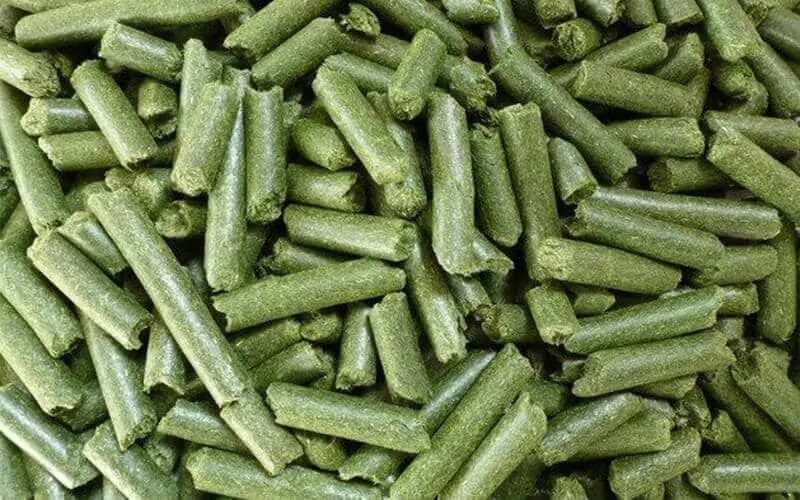
You may save money and keep your animals healthy by using alfalfa pellets. These are little, tightly packed balls of dried alfalfa. Each pound has 30% more healthy food in them than a big bale of how alfalfa pellets are affecting the way we farm these days
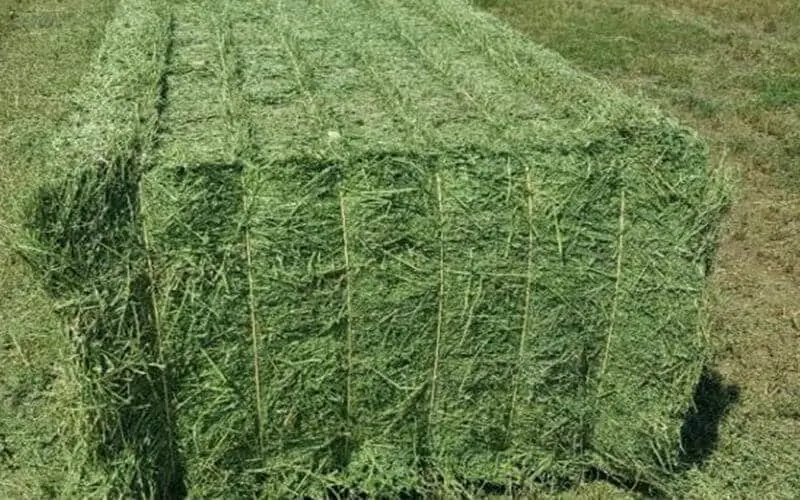
You may save money and keep your animals healthy by using alfalfa pellets. These are little, tightly packed balls of dried alfalfa. Each pound has 30% more healthy food in them than a big bale of alfalfa, plus they are easier to store. You can offer your animals up to 40% less food if you use decent pellets. It could also mean that farmers who produce cows obtain more milk from them.
How Alfalfa Pellets Work: From the Field to the Feed Trough
This is a wonderful choice if you have an organic chicken farm and don’t want feed with GMOs in it. The amount of butterfat has gone boosted by 15% for dairy farmers. It helps horses build strong, lean muscles.
How to Make Pellets from Alfalfa
1. Pick at the Proper Time
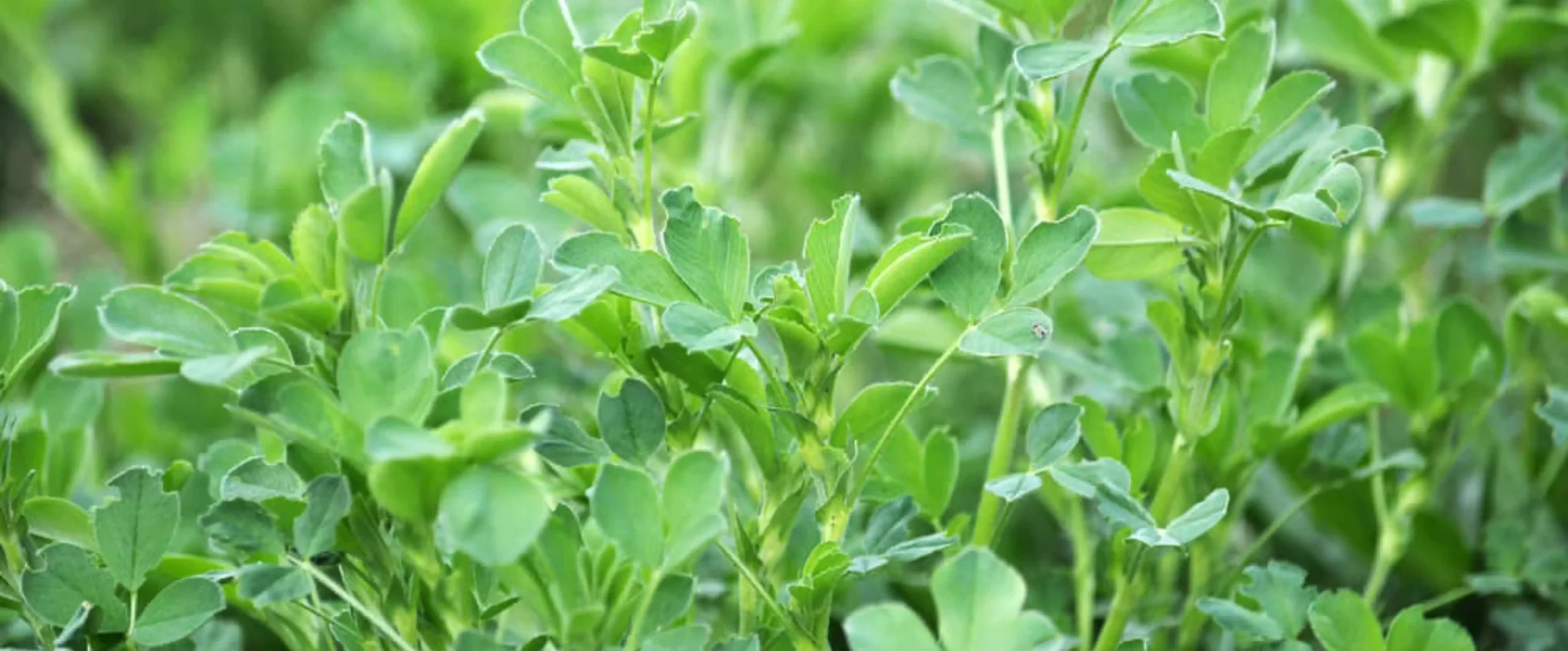
The field is where excellent pellets begin. You get 18% more protein if you cut it when only 10% of the blossoms are open. When the alfalfa is ready, the leaves will break apart and feel dry. To have a smooth grind, the moisture level should be between 65 and 70%.
2. Mix It Well by Grinding It Up
First, you have to grind the alfalfa. Cows’ digestive health gets improved when they eat food that has been ground to about 1/4 inch. If you wish to blend it with chicken feed, a fine powder is optimal. Add a small amount of molasses (no more than 3%) while you grind. It holds the pellets together and makes them stronger.
3. Use the Pellet Press with Care
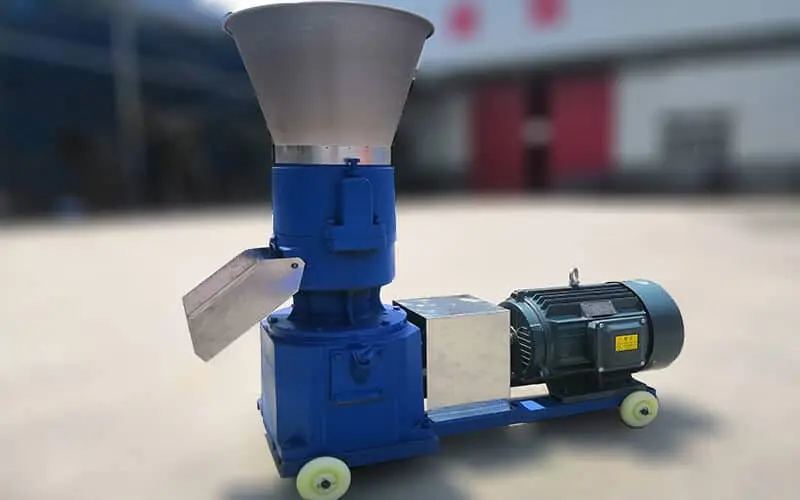
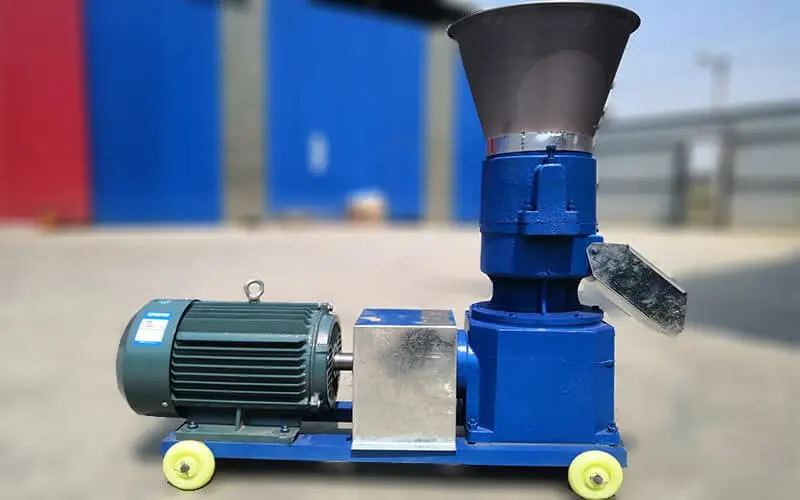
First, watch the temperature. Don’t let the die become hotter than 220°F (100°C). Animals shouldn’t eat pellets that have been burnt. Most of the time, the right amount of pressure is between 8 and 12 MPa. Keep the feed rate the same so that things don’t become stuck. Always wear the right clothes.
4. Make Sure the Pellets Dry the Appropriate Manner
You can dry your pellets in the sun for three to five days, or you can use a belt dryer, which is highly safe and will dry them in approximately four hours. If the pellets bounce a little on concrete that is 12% wet, they are okay to keep.
Drying With the Sun vs. a Machine
| Method | Cost | Time | Mould Risk |
|---|---|---|---|
| Sun Drying | USD 0 | 3–5 days | High |
| Belt Dryer | USD 150/day | 4 hours | Low |
How to Store and Fix Homemade Feed Pellets
How to Keep Your Homemade Pellets
- Let Air Flow: Leave room between the bags and the walls so that air can flow.
- Fight Moisture from Below: Put a layer of food-grade diatomaceous earth under the bags.
- Keep Pests Away Naturally: Crush fresh mint leaves and spread them over your storage area.
- Use the Oldest Feed First: Follow the “first in, first out” rule.
How to Fix Common Problems With Homemade Pellets
- Pellets are Crumbly: This is probably because the feed mixture is too dry. Add water until the moisture level is between 12 and 15%. Add around 2% vegetable oil to help everything stick together.
- The Pellet Mill Makes a Lot of Noise: This is probably because there are small rocks or metal in the raw materials. Stop the machine and take out anything that doesn’t belong.
Alfalfa Pellets in the Spotlight: Answers to Your Questions
Q: Can I use regular or modified tools to create alfalfa pellets?
A: Some farmers change machines with a 6mm pelleting die, but a specialist pellet mill is safer and more reliable.
Q: What is the ideal level of moisture for manufacturing alfalfa pellets?
A: Try to get it to 12–15% right before it goes into the pellet machine.
Q: Is it possible to create your own alfalfa pellets?
A: Yes. To make thick pellets out of ground alfalfa, you need a hammer mill or alfalfa grinder and a pellet mill.
The Real Benefits: A Farmer’s Success Story
”When we switched our 500-head dairy to manufacturing its own alfalfa pellets, we saw a 22% drop in our feed costs after just two feeding cycles. The best part was seeing our heifers grow up and do well. No matter what the weather was like outside, they always got the same high-quality, weed-free food.”, plus they are easier to store. You can offer your animals up to 40% less food if you use decent pellets. It could also mean that farmers who produce cows obtain more milk from them.
