
Why Commercial Rabbit Feed Formulation Matters
Rbbits are the converters of high efficient food. Fryers have the feed-to-meat ratio of 4:1 which means they produce 5 pounds of meant at least with 20 pounds of pellet feed. You have to ensure your rabbit feed formulation has balanced diet, lowers cost, and can also enhance the health of rabbits. At now no matter commerical rabbit farms or homesteaders have to avoid corn and soybean because you have to concern about the rabbit’s allergies and digestion.
Rabbit Feed Formulation
There should be at least 18% fiber, 12-14% protein, and 3% fat in rabbit feed pellets. Fiber must always be more than protein. You can mix some vegetable oil in their diet, which can prevent rabbits from being selective. You also have to supply them the highest quality of grass in all diets.
While standard diets rely on corn for energy and soybean meal for protein, these can trigger inflammatory responses in sensitive breeds. This professional ration replaces them with Barley and Linseed meal, providing a cleaner energy source and superior Omega fatty acids for pelt quality.
| Raw Materials | Diet During Pregnancy | Lactation Ration | Growth Ration | Maintenance Ration |
|---|
| Barley | 25% | 22% | 24% | 32% |
| Oats | 25% | 22% | 25% | 31% |
| Linseed meal | 17% | 25% | 20% | 9% |
| Alfalfa meal | 28.05% | 28.05% | 28.05% | 25.05% |
| Salt | 0.2% | 0.2% | 0.2% | 0.2% |
| Vitamins and minerals | 2.75% | 2.75% | 2.75% | 2.75% |
why making your own rabbit feed pellet?
Making your own rabbit feed isn’t just about cost-reduction; it’s about Rabbit Feed Formula Sovereignty. By bypassing store-bought blends, you eliminate unbalanced nutrients and ensure 100% palatability through fresh starch pasting.
Rabbit feed pellet Nutrition
Due to their unique digestive systems, rabbits require a diet that’s high in fiber, low in protein. The basic nutritional needs of rabbits are carbohydrates, proteins, fats, fiber, vitamins, minerals and water, thus the nucleus of any good rabbit diet consists of rabbit feed pellets, fresh hay, water, and fresh vegetables. Treats, such as fruits or prepared rabbit snacks, are acceptable but should be used very sparingly and in small quantities. It’s important for your rabbits’ health and longevity that you commit to feeding it a proper diet.
Rabbit Feed Production And Feeding Standards
- Production: Manufactured by feed pellet mills (small for home use, large for commercial).
- Intake Rate: Approximately 1 ounce of pellets per pound of body weight.
- Life Stage Impact: Highly concentrated nutrients for proper weight gain in young rabbits.
- Maturity Adjustment: For adult rabbits, reduce pellets and increase hay/vegetables to prevent obesity.
- Nutritional Strategy: A “one size fits all” style is incorrect; diets must be tailored to changing life stages.
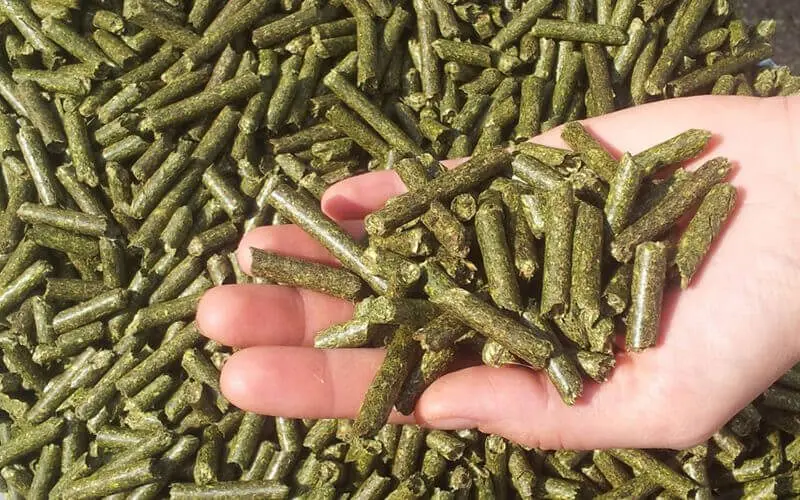
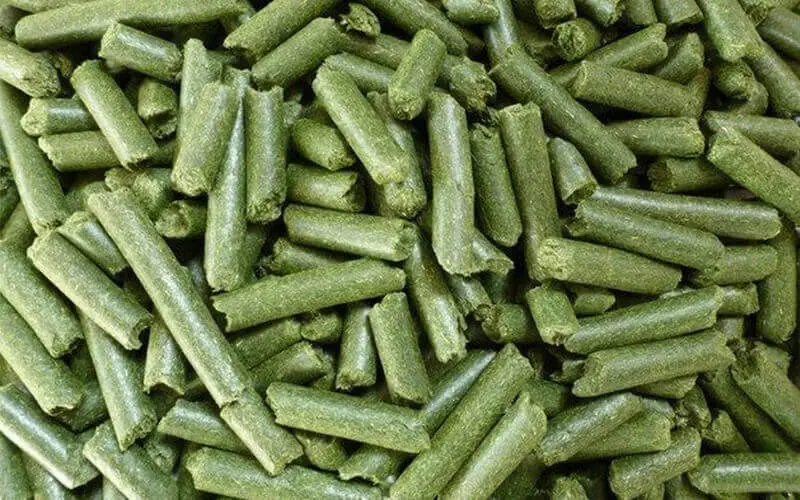
4 steps of how to make rabbit feed pellets
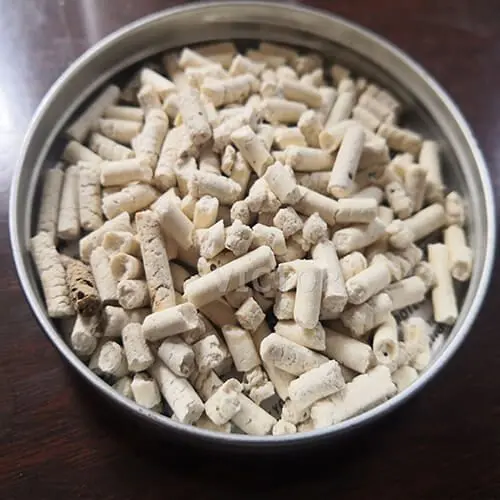
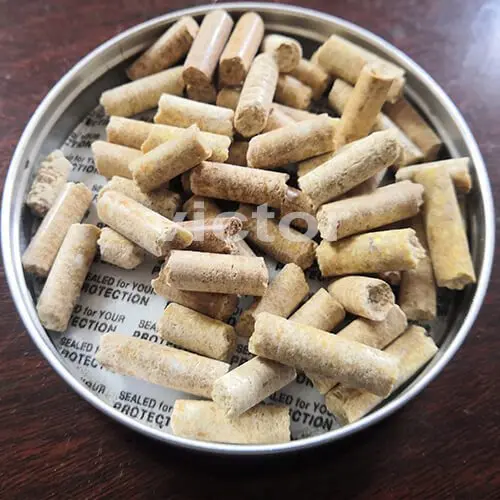
If you want to make rabbit feed pellets for commercial use, a feed pellet mill is the core equipment. Making your own rabbit feed includes starch pasting, which enhances flavor and boosts appetite, increasing food intake by 10%-15%. Pellets also provide the necessary hardness for rabbits to grind their teeth.
Step 1: Raw Material Preparing
Pour raw materials into the pit. Use a scraper conveyor to move materials to an elevator. Lift for cleaning and screening. Pass through a magnet cylinder to remove metal impurities before crushing.
Step 2: Crushing Process
Material enters the crusher. A screw conveyor moves the crushed powder to an elevator, then to a distributor, and into the grinder mill for batching bin mixing. The goal is a consistent powder that allows for uniform nutrient distribution.
Step 3: Mixing Process
Rabbit feed Ingredients from the batching bin go through an automatic scale to ensure the exact formula ratio. Add liquid ingredients like oils or molasses here. Enter the mixer. After mixing, move to a crushing bin for secondary crushing if needed, then to an inspection screen via an elevator.
Step 4: Pelleting Process
The pellet machine granulates the mixed powder. High pressure and heat (70°C-85°C) during pressing kill parasite eggs and pathogens, reducing the spread of disease. After pressing, pellets must be cooled and dried immediately to prevent mold. Suitable particles move to the finished bin; unsuitable ones are re-entered for processing.
video of how to make rabbit feed

