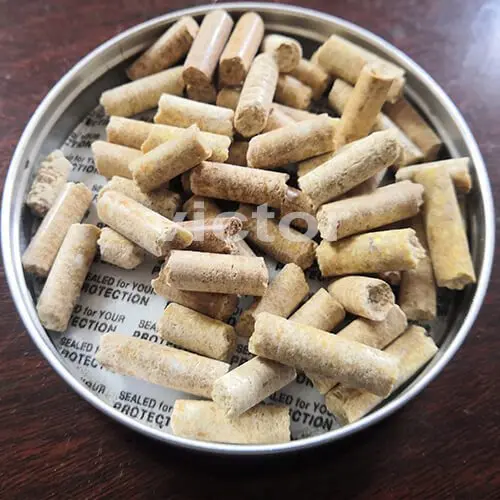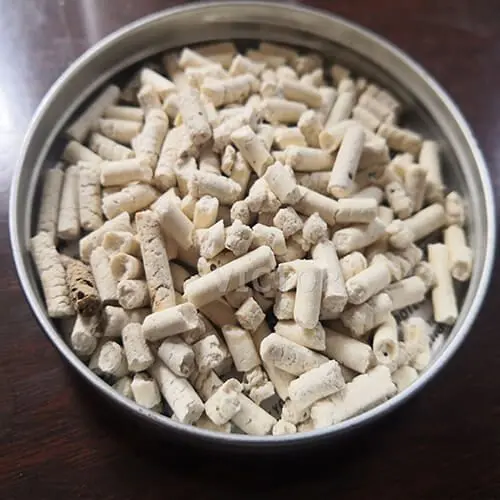
The Basic Rabbit Feed Ingredients & Categories
Once you understand these basic rabbit feed ingredients, you can start creating your own professional rations for rabbits. Check out our detailed guide on [How to Make Rabbit Feed: 4-Step Process & Expert Rations] for commercial formulas and pelleting instructions.
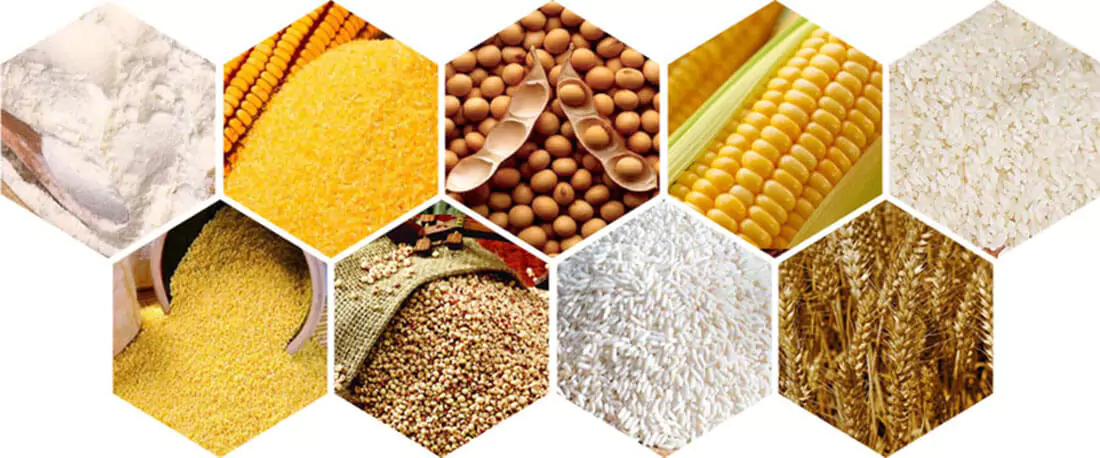
The basic rabbit feed ingredients include wheat, maize, sorghum, bran, hay and grass, Lucerne crumbles, vegetable protein meals, vegetable or animal oil, salt, methionine, vitamin C, and mineral premix.
- Green Feed: Rich in chlorophyll, vitamins, and minerals. High digestibility. You can source green feed from field grasses, vegetables, forage crops, non-starchy roots, tubers.
- Roughage: Under 15% moisture and over 18% crude fiber. Low digestible energy. Essential for gut health. You can source it from green hay, straw and so on.
- Energy Feed: High nitrogen-free extract providing high energy value. You can source it from corn, sorghum, rice bran, wheat bran.
- Protein Feed: Includes plant, animal, and single-cell proteins. You can source it from legumes, distiller’s grains, fish meal, bone meal.
- Additive Feed: It can not only enhances basic nutrition, but also can boost utilization, prevent disease, and reduce nutritional loss during storage.
Raw Material Risks for Rabbit Feed Ingredients
- Corn stalks: You must watch out the roots. They have dangerously high calcium and phosphorus. I see beginners push the dosage too high, as a result in calcium buildup and milky white urine. It seems minor at first. Over time, this calcium overload actively blocks vitamin absorption and wrecks the reproductive tract. Cap your corn stalk usage strictly at 30%-35%.
- Peanut seedlings: The baseline nutrition is excellent. Protein, crude fiber, and amino acids easily support a 40%-45% dosage. But the hidden danger is harvest season mold. More importantly, you must process them through a fine sieve. I have seen unfiltered residual mulch film tear up the rabbit’s digestive tract, triggering massive abdominal distension and lethal diarrhea.
Essential Nutritional Standards for Rabbit Feed Ingredients
Minimum requirements for a maintenance rabbit feed diet: 14% crude fiber, 2% fat, and 12% crude protein. Exceed the minimum fiber amount. Keep protein and fat levels low.
- Fiber (The Foundation): Fiber is very important for maintaining gut motility, preventing GI stasis, and wearing down continuously growing teeth.
- You can source it from timothy Hay (ideal for adult maintenance), Alfalfa Hay (higher protein/calcium for growth/lactation), Orchard Grass, and Oat Hay.
- Pellet Additions: Soybean Hulls or Beet Pulp (molasses-free).
- Protein: 15% to 19% (12-14% Maintenance Requirement). Builds and repairs body tissues. High protein creates a greater amount of ammonia in the urine. Keep protein closer to 15%.
- You can source it from soybean Meal, Canola Meal, Sunflower Meal.
- Fat: 3% or less. High fat content causes obesity. Avoid pellets with lots of nuts and seeds.
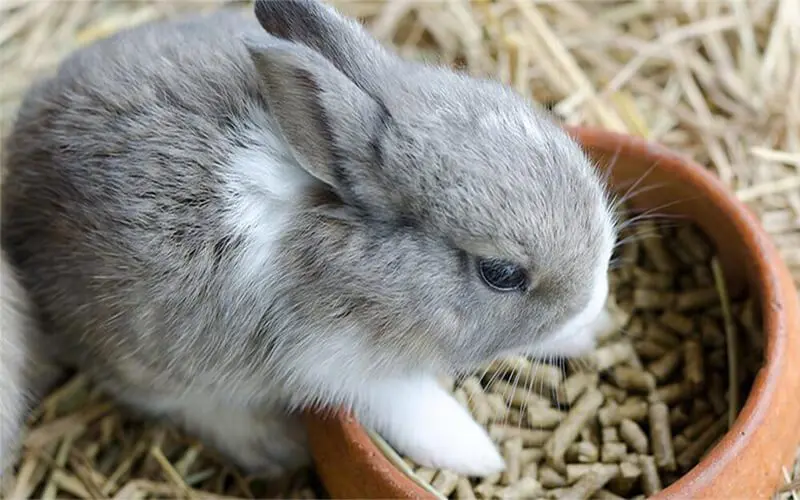
Changing Rabbit Diet
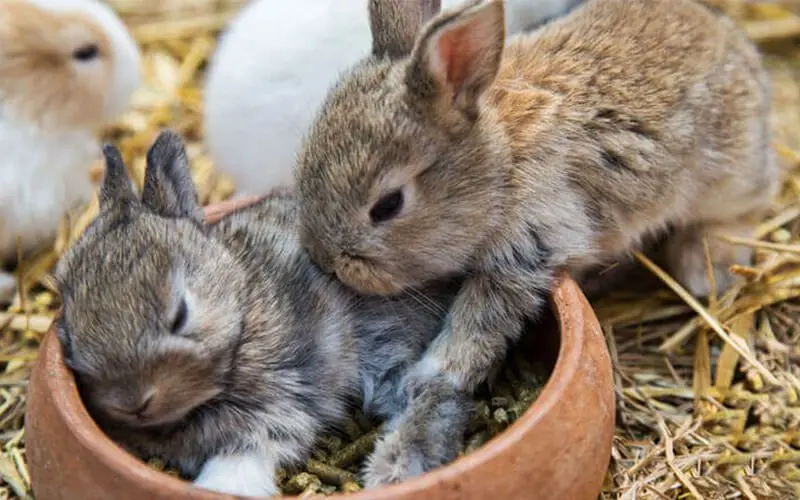
Change the diet slowly. Some rabbits take the change better than others. Go a bit faster if they adapt well; others need more time.
- Days 1-4: 25% new + 75% old pellets.
- Days 5-7: 50/50 mix.
- Finish: 75% new + 25% old. The rabbit will then be on 100% new.
I would do the mix on a daily basis so you know how much of each pellet he is getting.
Hay & Veggie Introduction:
- Veggies: If you do decide to give veggies, I would wait a bit for him to settle in and get used to the new pellets. Some people introduce veggies at 8-10 weeks. Most people say to wait until 3-4 months. You do need to do it slowly and one veggie at a time.