
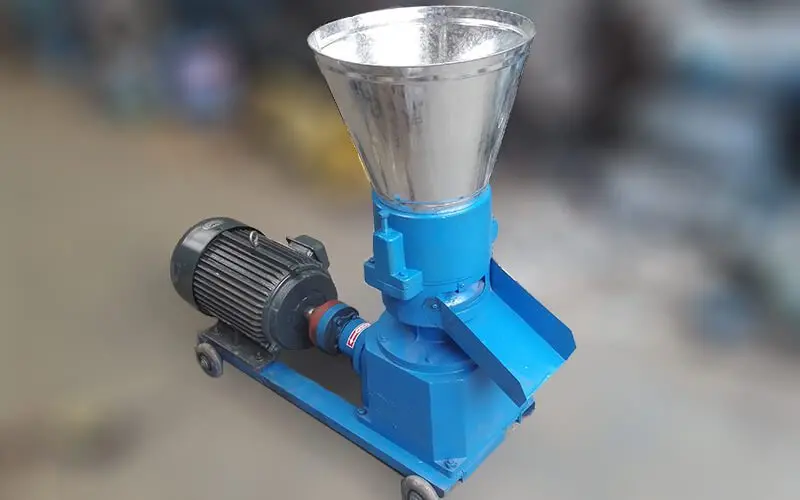
| Production Output | 0.1-2 t/h |
| Power | Electric motor or diesel engine |
| Voltage | 110-415V |
| Raw Materials | Cereal, corn, wheat, barley flour, soybean, oil seed meal, edible leaf, husk, etc |
| Type | flat die type |
| Final product size | 6-10 mm |
| Application | pellet production |
| Used For | goat/sheep food production |
goat feed pellet machine introduction
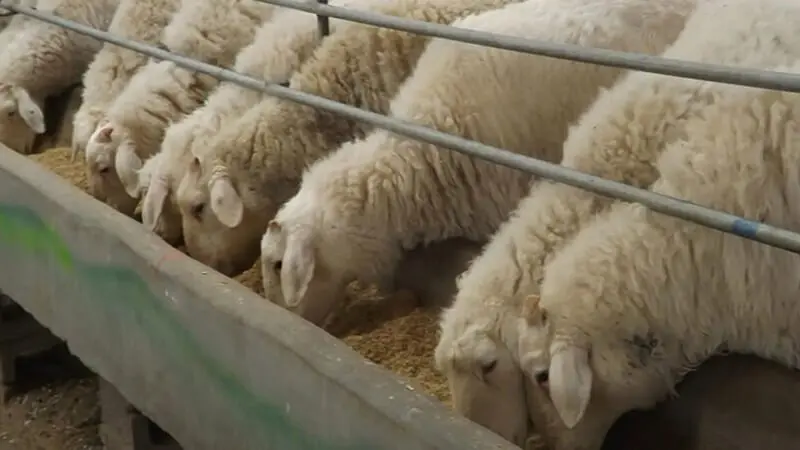
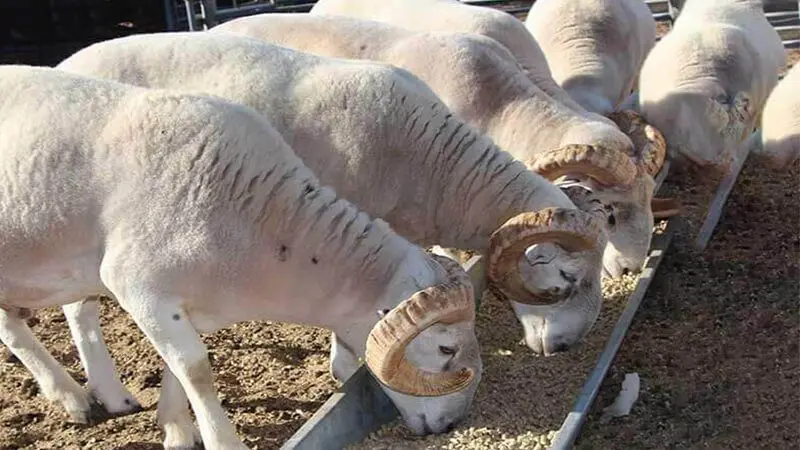
To maximize herd profit, efficient nutrition is key. Our premium sheep and goat feed pellet mills are engineered to convert loose grass and grain into high-density, nutrient-rich pellets.
Unlike traditional mash, using a specialized pellet machine for ruminants ensures consistent nutrient intake and prevents animals from picky eating. This is a part of our comprehensive animal feed pellet machine solutions.
Industry data confirms that switching to pellets can reduce feed waste by up to 15% and significantly improve conversion rates.
We provide versatile solutions for every scale of farming. Our inventory ranges from small electric units ideal for home use, to robust farm-scale production lines.
Whether you require a heavy-duty diesel goat feed pellet mill for remote pastures or a high-capacity system for a factory, our machinery delivers the reliability needed to optimize your feed strategy and boost growth.
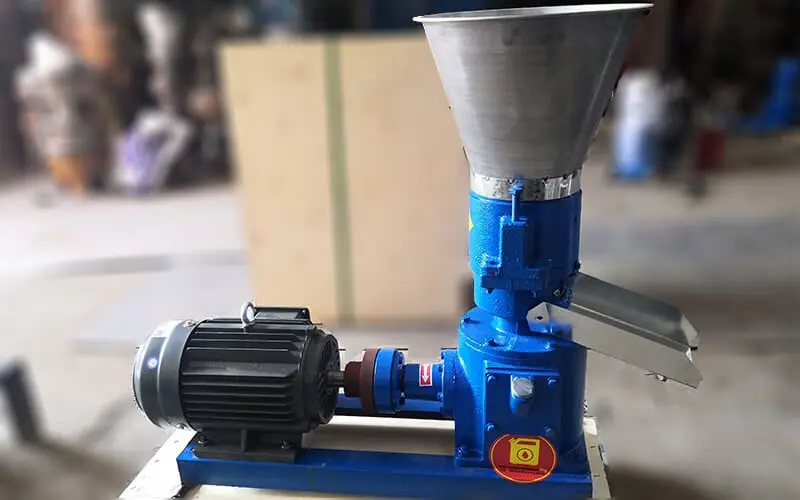
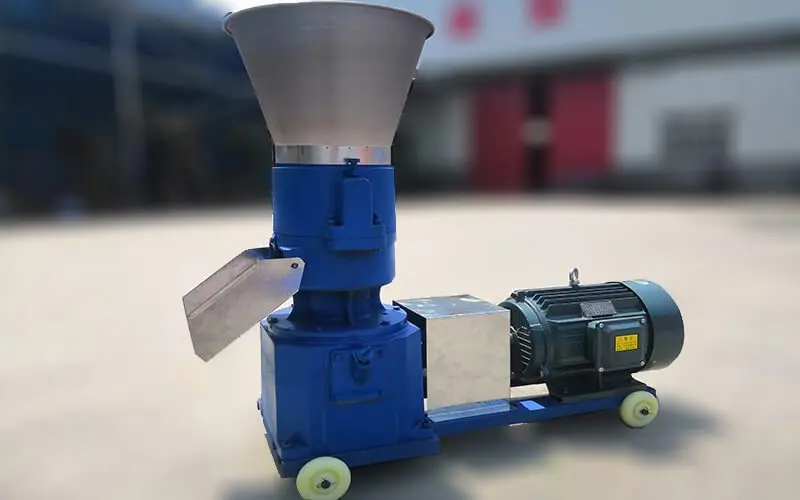
Types of Sheep & Goat Feed Pellet Mills
Choosing the right goat feed pelletizer machine depends on your flock size and production goals. We divide our equipment into two main series based on specific farming needs.
Small-Scale Solutions (Flat Die Series)
This series is the standard choice for home use and small farms. These machines utilize a flat die design, which is compact and easy to operate.
- Best For: Backyard farmers, small flocks (under 500 heads), and beginners.
- Key Features:
- Affordable Entry: This is a cost-effective goat feed pellet mill option for those with a limited budget.
- Flexible Power: Available as an electric sheep feed pellet mill or a diesel model for outdoor use.
- Maintenance: Simple structure makes it easy to clean and repair.
Commercial Solutions (Ring Die Series)
For industrial output, the ring die design is essential. These goat feed pelletizer machines generate higher pressure, resulting in harder, smoother pellets that withstand transport.
- Best For: Farm-scale feed pellet mills, feed factories, and large cooperatives.
- Key Features:
- High Capacity: Designed for heavy loads, capable of producing 1 ton per hour or more.
- Precision Control: Features an adjustable-die system to create specific pellet sizes for lambs or adult goats.
- Longevity: Built for continuous operation with lower wear rates.
Quick Comparison Guide Table
| Feature | Flat Die Series (Small Scale) | Ring Die Series (Commercial) |
| Ideal User | Home use, Small Farm | Large Farm, Feed Plant |
| Capacity | 100 kg/h – 800 kg/h | 1 Ton/h – 10 Ton/h |
| Pellet Quality | Loose density, good for immediate use | High density, smooth, good for storage |
| Cost | Low investment | Higher investment |
| Popular Keyword | Mini goat feed pellet machine | Sheep feed making machine (Industrial) |
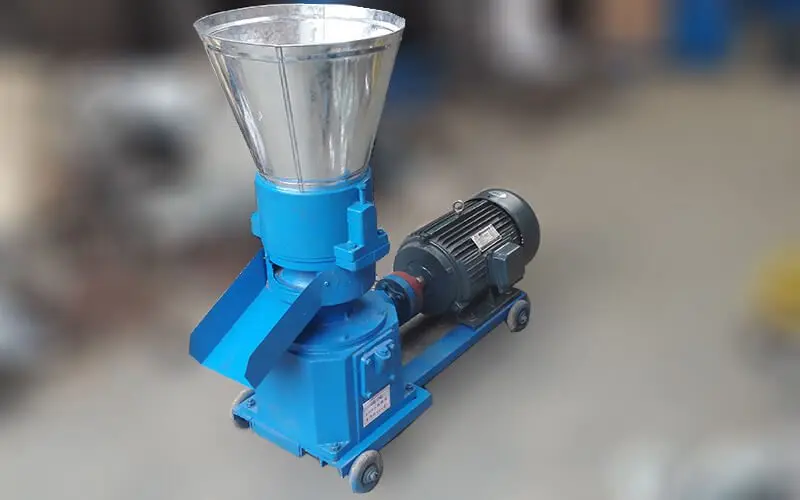
Power Type: Electric Motor vs. Diesel Engine
Selecting the appropriate drive unit is a critical operational parameter that directly impacts production efficiency and site flexibility. We offer two primary power configurations to accommodate varying infrastructure capabilities and operational environments.
1. Electric Series: Precision and Efficiency
For facilities with access to reliable three-phase or single-phase power infrastructure, the electric sheep feed pellet mill represents the optimal solution. Electric motors provide consistent torque output, ensuring uniform pellet compression and minimizing mechanical vibration.
- Operational Stability: The continuous power supply guarantees a steady RPM, which is crucial for maintaining consistent pellet density and quality control.
- Cost Efficiency: While the initial electric goat feed pellet making machine price is often lower than internal combustion equivalents, the long-term operational costs are significantly reduced due to lower energy tariffs and minimal maintenance requirements.
- Application: Ideal for stationary feed factories, indoor workshops, and areas with strict noise or emission regulations.
2. Diesel Series: Mobility and Independence
For operations situated in remote locations or regions plagued by grid instability, we offer the diesel goat feed pellet mill. These standalone units are engineered for field operations, functioning completely independently of electrical infrastructure.
- Grid Independence: This configuration solves the critical pain point of voltage fluctuation, which can damage sensitive electric motors. It allows for on-site processing directly at the pasture or storage facility.
- High Torque Performance: Diesel engines typically deliver superior low-end torque, which is advantageous when processing coarser, high-fiber raw materials common in ruminant feed.
- Commercial Availability: We currently have a range of high-performance diesel sheep feed pellet mills for sale, specifically calibrated for off-grid durability.
electric motor goat feed pellet machine
| Model | Electric Power(kw) | Output(kg/h) | Weight(kg) |
| VTKLP-125 | 3 | 50-80 | 80 |
| VTKLP-150 | 4 | 100-150 | 110 |
| VTKLP-210 | 7.5 | 200-400 | 210 |
| VTKLP-230 | 11 | 300-500 | 280 |
| VTKLP-260 | 15 | 500-700 | 300 |
| VTKLP-300 | 18.5 | 700-900 | 500 |
| VTKLP-360 | 22 | 900-1200 | 700 |
| VTKLP-400 | 30-37 | 1200-1500 | 900 |
diesel engine goat feed pellet machine
| Model | Diesel Engine Power(HP) | Output(kg/h) | Weight(kg) |
| VTKLP-125 | 4 | 50-80 | 100 |
| VTKLP-150 | 5 | 100-150 | 150 |
| VTKLP-210 | 10 | 200-400 | 260 |
| VTKLP-230 | 15 | 300-500 | 350 |
| VTKLP-260 | 20 | 500-700 | 420 |
| VTKLP-300 | 25 | 700-900 | 650 |
| VTKLP-360 | 30 | 900-1200 | 900 |
| VTKLP-400 | 40-50 | 1200-1500 | 1200 |
Technical Specifications & Capacity Selection Guide
Proper dimensioning of the sheep pellet feed making machine is fundamental to operational efficiency. Over-sizing results in unnecessary capital expenditure, while under-sizing leads to production bottlenecks. We recommend selecting a model based not merely on hourly output, but on the total Daily Dry Matter Intake (DMI) of your herd.
1. The Intermediate Solution: 500 kg/h model
The 500 kg/h sheep feed pellet machine is the industry standard for medium-sized commercial farms.
- Daily Output: Approximately 3 tons (per 6-hour shift).
- Herd Capacity: Sufficient to sustain a flock of 1,200 – 1,500 heads.
- Technical Context: This unit balances power consumption with throughput, making it ideal for farms transitioning from manual feeding to automated systems. It is robust enough to process varied fibrous materials without clogging.
2. The Industrial Solution: 1 Ton/h Configuration
For large-scale operations, the 1 ton per hour goat feed pellet mill offers the necessary throughput for mass production.
- Daily Output: Approximately 6-8 tons (per shift).
- Herd Capacity: Capable of supporting 3,000 – 4,000 heads or supplying multiple smaller satellite farms.
- Technical Context: This category typically utilizes a Ring Die goat feed pelletizer design. It is engineered for continuous 24/7 operation and includes advanced conditioning systems to ensure maximum gelatinization and pellet hardness.
Detailed Specification Matrix
The following technical data represents our core sheep feed making machine series. Custom voltage and frequency configurations (e.g., 60Hz/440V) are available upon request.
| Model Series | Nominal Capacity | Main Power (kW) | Pellet Diameter (mm) | Rec. Herd Size (Heads) | Target Application |
| VTKLP 300 | 300 – 400 kg/h | 15 kW | 2.5 – 6.0 | 500 – 800 | Small Farm / Pilot Plant |
| VTKLP 500 | 500 kg/h | 22 kW | 2.5 – 8.0 | 1,000 – 1,500 | Medium Commercial Farm |
| HMK 300 | 1 Ton/h | 30 kW | 2.0 – 10.0 | 3,000+ | Large Farm / Feed Factory |
| HMK 320 | 2 – 3 Ton/h | 37 kW | 2.0 – 10.0 | 8,000+ | Industrial Feed Plant |
Goat Feed Production: 4mm Pellet Video
Engineered for Ruminants: The Technical Advantage
Generic feed machinery often fails when processing sheep and goat feed. This is because the digestive physiology of ruminants demands a diet high in crude fiber (cellulose), whereas standard goat feed pelletizer mills are typically calibrated for high-starch poultry feed. Our animal feed pellet mill for ruminants is purpose-built to address these specific biological and mechanical challenges. You can choose another ruminant machine for cattle feed.
1. Optimized Compression Ratio for High Fiber
The critical differentiator in our feed pellet press for sheep & goat is the die compression ratio.
- The Challenge: High-fiber materials like alfalfa, hay, and straw are difficult to compress and possess low adhesiveness compared to corn or soy. Standard dies with high compression ratios (designed for chickens) often cause severe blocking or carbonization when processing grass.
- Our Solution: We utilize a specialized lower compression ratio (typically ranging from 1:4 to 1:6) specifically calculated for fibrous biomass. This engineering adjustment ensures that high-fiber materials pass through the die holes smoothly without clogging, while still maintaining sufficient density for storage.
2. Preservation of Effective Fiber
Ruminant health relies on “effective fiber” to stimulate chewing and maintain proper rumen pH.
- Structural Integrity: Unlike hammer mills that pulverize ingredients into dust, our pelletizing process is tuned to preserve a certain length of fiber structure within the pellet.
- Digestibility: By balancing shear force and pressure, our goat feed pelletizer machines ensure the feed is physically durable but biologically available, optimizing the fermentation process in the animal’s rumen.
3. Thermal Management and Nutrient Retention
Heat is a byproduct of the pelleting pressure, but excessive heat destroys heat-sensitive vitamins and enzymes.
- Controlled Gelatinization: Our sheep feed making machine operates at an optimal temperature range (75°C – 85°C). This level is sufficient to gelatinize starches — acting as a natural binder and increasing palatability — without degrading the nutritional profile of the additives.
- Result: The result is a highly palatable pellet that sheep and goats consume eagerly, leading to measurable improvements in growth rates and milk yield.
FAQ – For Sheep Farm Solutions
A: Small models typically range from $800 to $2,500. Contact our team for a specific electric goat feed pellet machine price list.
A: Yes. Our animal feed pellet mill for ruminants is specially engineered to process high-fiber materials like hay and straw without blocking.
A: Yes. We offer diesel sheep feed pellet mills for sale designed specifically for off-grid and field operations.
A: Lambs: 2.5–4mm; Adults: 4–6mm. Our machines act as an adjustable-die sheep feed pellet mill to cover all growth stages.
