why Setting up poultry feed mill business
Increased demand for animal protein and dairy has boosted livestock numbers, raising the need for animal feed. Currently, the aquatic, poultry, and dairy sectors account for a major share of the animal feed industry. Poultry feed production has evolved from small-scale operations into industrial-scale manufacturing systems supporting global livestock supply chains.
how much is Poultry feed business profit
Generally speaking, the annual profit of a poultry feed mill business is directly linked to the annual production capacity. Profit typically ranges from $20–$60 per ton depending on raw material prices, production efficiency, and operational scale. For a small feed mill with an annual output of 2,000 tons, yearly profit may range from $40,000 to $120,000. Profitability is highly influenced by raw material price fluctuations, especially corn and soybean meal, which account for the majority of production costs.
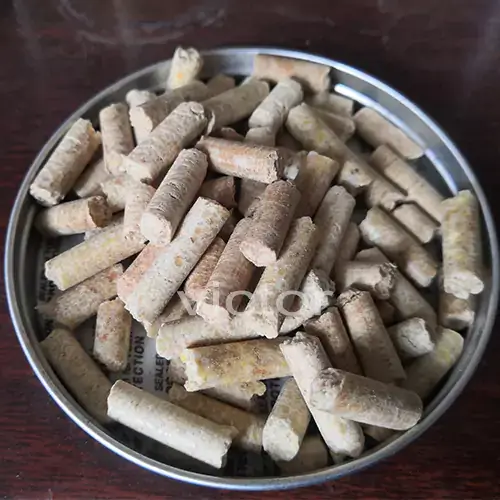
how much starting Poultry feed production cost
Fixed Capital and Working Capital
You need to make a one-time investment in fixed capital to manufacture your product, which includes machinery, setting up factories, and similar expenses. Working capital is used for paying salaries, overhead, raw materials, transportation, storage, etc. Investment in a poultry feed mill varies significantly depending on production capacity and automation level, typically ranging from $70,000 to $1.5 million.
Plant and Electricity Costs
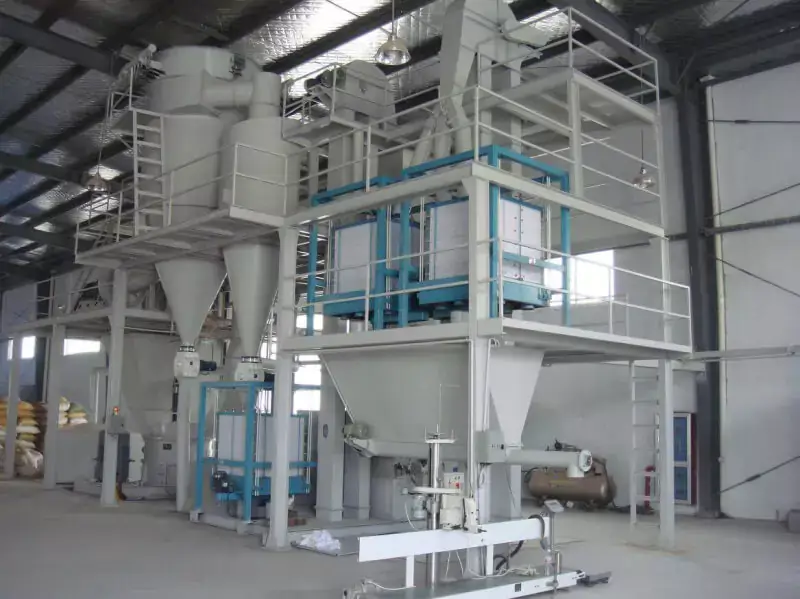
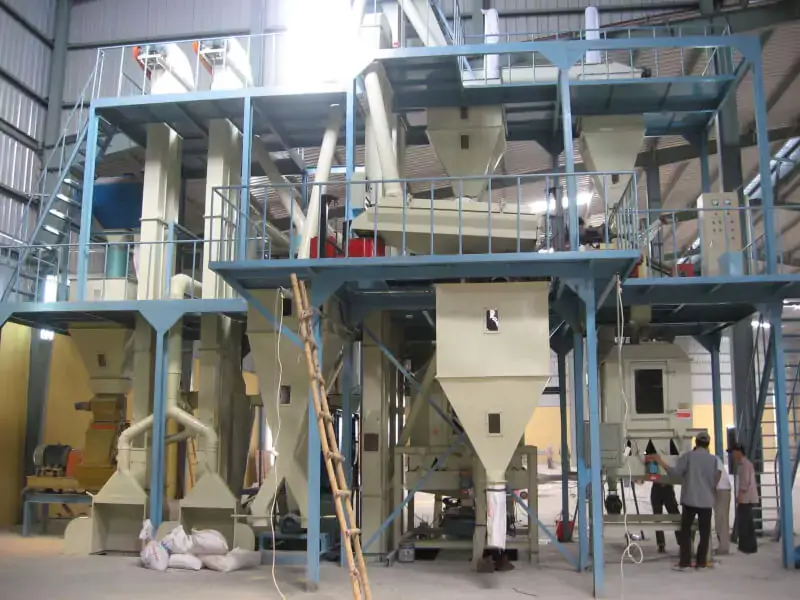
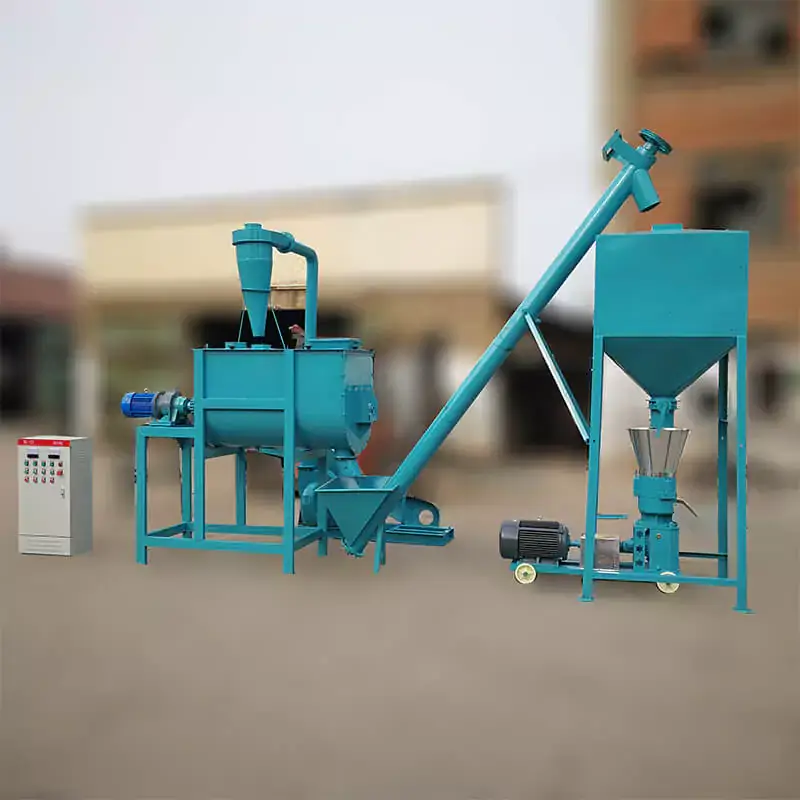
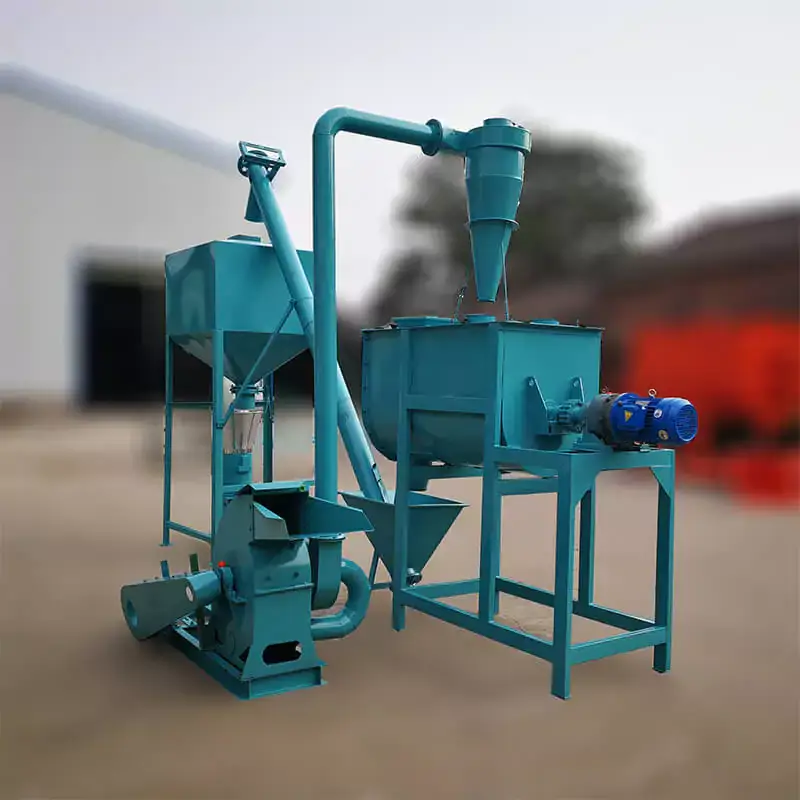
The construction of a feed processing plant needs to meet the basic requirements of feed processing equipment. A standard feed mill plant includes raw material storage, grinding and mixing section, pelletizing section, cooling and screening section, and finished product packaging area. Electricity load verifies whether normal operation is possible.
Raw Material Stock Inventory Costs
Raw material reserves cannot be interrupted. It needs to be based on the capacity of the equipment to ensure daily processing while not over-storing. Investment in raw materials is based on the level of market consumption, as well as the sale of the feed produced.
how to Start poultry feed mill business
1. Conduct Thorough Market Research
Conduct market research on the poultry in your area and plan to present your ideas to investors. Explain the uniqueness of your strategy compared to other players. Choose the most attractive areas to market your poultry feed mill business plan and calculate your revenue projections to set your initial market share.
2. Make a Poultry Feed Mill Business Plan
Draft a poultry feed mill business plan for your poultry feed production business based on your research and study of the market. What is the production capacity of your poultry feed mill business? Who will be your target market? How do you plan to source raw materials? How do you plan to sell poultry feed? The poultry feed mill business plan will serve as your beacon to guide you in achieving your goal.
3. Selecting the Location of the Poultry Feed Mill
Setting up a poultry feed mill requires an independent plant with a spacious workshop that meets production needs. Location can be remote but must have convenient traffic. It is best to stay away from residential areas. The site needs to have good lighting, dust removal, ventilation and fire-fighting measures.
4. People And Equipment
Equipment is the top priority in how to run poultry feed mill business. Equipment should be simple and efficient, focusing on production and allowing for cost-effective parts and maintenance.
5. Poultry Feed Processing Equipment
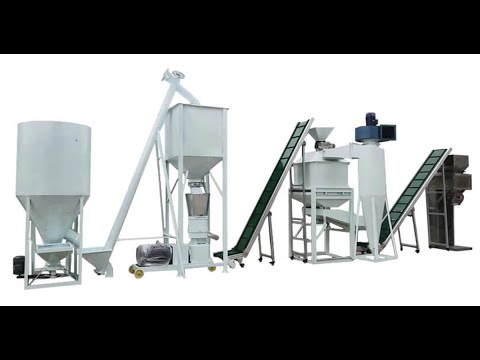
We’ve built hundreds of poultry feed projects, and one thing we have learned is that poultry feed production requires a complete and well-designed processing system. A commercial poultry feed mill usually includes raw material receiving, grinding, mixing, pelletizing, cooling, screening, and packaging sections.
For investors planning to establish a complete poultry feed manufacturing plant, selecting the right production process and equipment configuration is critical. You can check our poultry feed production line for more details about the complete setup, capacity options, and equipment layout. It’s a special machine that cracks big pellets into small crumbles.
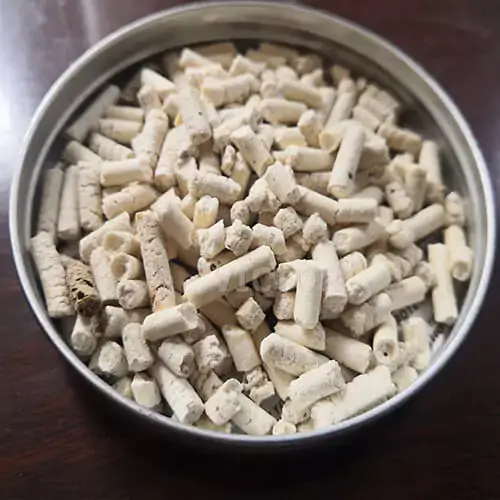
For a serious setup, you need a heavy-duty ring die pellet mill. It’s the heart of the factory. The poultry feed pellet mill determines pellet quality, production efficiency, and long-term operating costs. Choosing a suitable machine according to your required capacity is essential.
If you are looking for individual equipment for poultry feed production, our poultry feed pellet making machine provides different capacity options for small farms and commercial feed producers.
video of feed mill plant for poultry feed business