
Key Temperature Concepts
Conditioning Temperature:
This is the heat you put in before you manufacture the pellets. You are the strongest person here.
Pelleting Temperature:
The heat originates from the friction of the feed being pushed through the holes in the die.
Why Temperature Matters
The most important thing about pelleting is the temperature.
Making sure the temperature is just right for your feed does three very essential things. It’s what makes good feed different from lousy feed.
1. Cooking it makes it easier to digest
The heat and moisture in the steam cook the starches in the grain. It’s like cooking rice. Eating raw rice is hard. But as you cook it, it gets softer and easier to consume. Your feed does the same thing. Starch gelatinisation is the name of this cooking procedure. Every bite gives your pets more energy and food.
2. It Kills Off Bad Bacteria
This is excellent for you. Heating food to the right temperature is one of the best ways to kill bad organisms like E. coli and Salmonella. This means that your pets will be healthier and you won’t have to worry about the safety of the food you provide them.
3. It makes pellets that are stronger and last longer
When you heat it, the starch gets sticky. It works like a natural glue to hold all the little bits of food together. This is how to make a pellet that is robust and will last a long time without breaking in the bag or feeder. Not wasting as much feed saves you money.
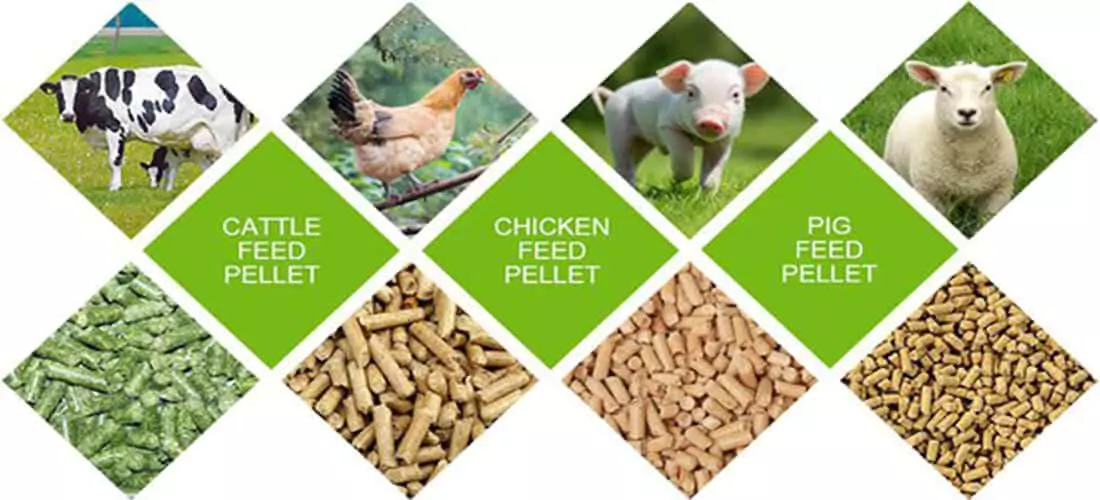
Important Rules for Different Animals and Temperatures
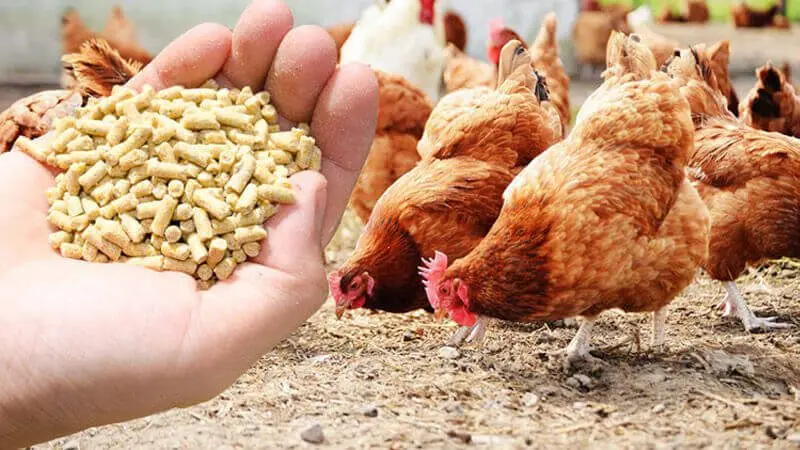
Food for Ducks and Chickens
Temperature Range: 80°C to 90°C
Rationale: This range is hot enough to kill the viruses that can make birds sick. It also cooks the maize and soybeans that are often found in poultry feed very well, making it easy for them to digest.
Food for Pigs
Temperature Range: 75°C to 85°C
Rationale: Just like for hens, this temperature makes the meal safe and easy to digest. It’s a touch lower to help protect some of the specific amino acids. These amino acids are particularly important for a pig’s growth.
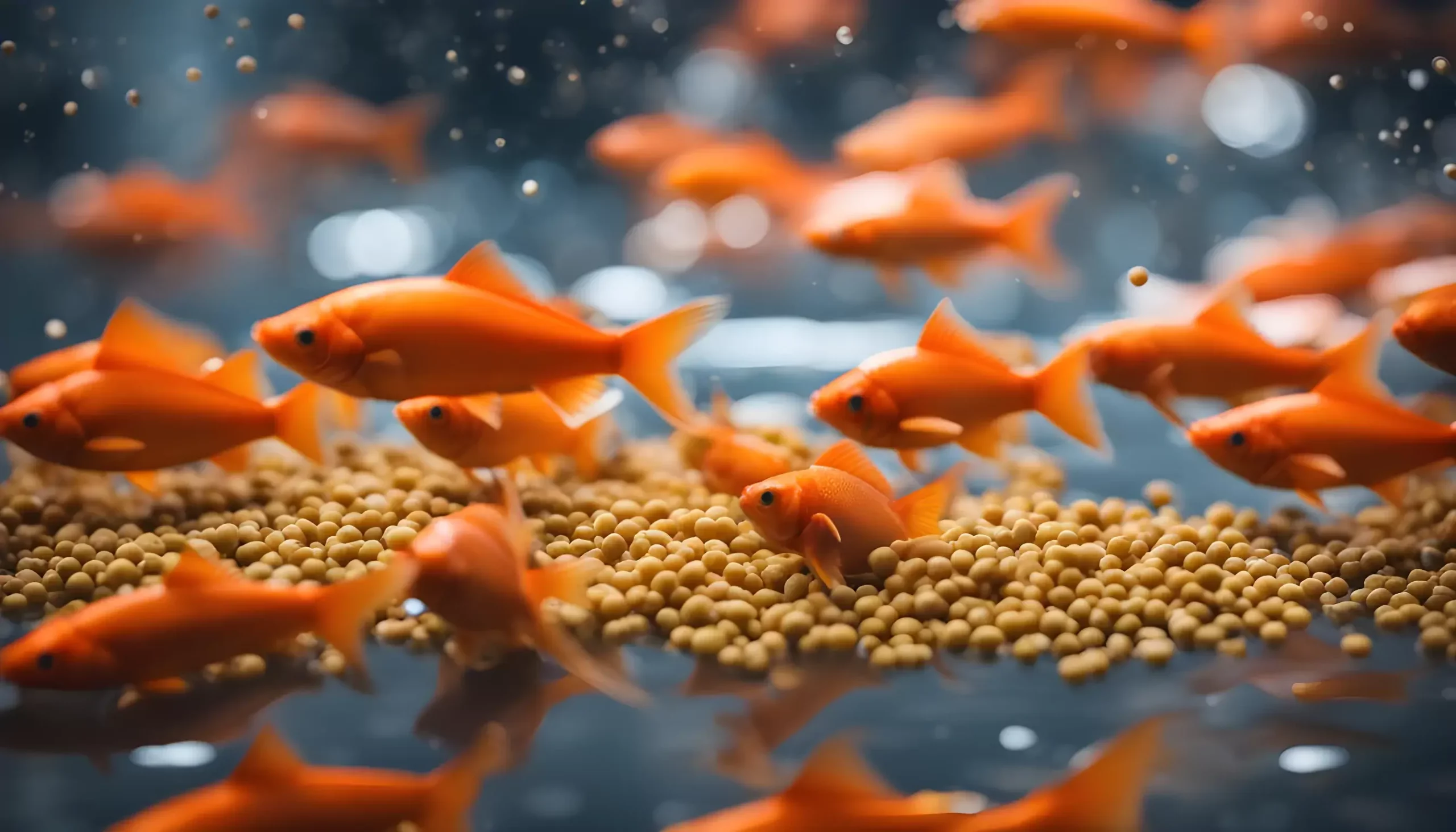
Aquafeed (Floating Fish Feed)
Temperature Range: 110°C to 140°C (in an extruder)
Rationale: An extruder is a machine that makes floating feed. It cooks the feed quickly by using very high heat and pressure, which makes it expand and float.
Feed for Ruminants (Cattle, Sheep)
Temperature Range: 65°C to 75°C
Rationale: The temperature is usually kept lower for cattle feed to protect substances like urea or particular bypass proteins from high heat.
Common Problems and How to Fix Them with Temperature
Pellets are soft and look like powder
Likely Cause: The temperature of your conditioning is too low. The starch isn’t cooking enough to provide a good adhesive.
Solution: Add more heat. Add more steam to the conditioner little by little.
Pellets seem black, fractured, or charred
Likely Cause: The temperature is considerably too high. You are burning the feed, which degrades the nutrients and can make the pellets break easily.
Solution: Turn down the steam. You should also look at your pellet die. It can produce more friction and heat if it’s old and worn out.
The pellet mill keeps getting stuck
Likely Cause: This is nearly always a problem with temperature and humidity. Too much friction will cause the die to jam if your feed mash is too dry.
Solution: Check the quality of your steam. You need hot, wet, saturated steam, not just dry air. Good steam adds heat and moisture, which are both essential to keep the die working.
In Conclusion
A number on a gauge doesn’t tell you what the temperature is. More than anything else, you can utilise it to control the quality of your feed.
Your goal is to strike the appropriate balance. You need to cook the food at a temperature that is safe but not so hot that it loses its nutrients. You really know how to prepare superb animal feed when you learn how to control the temperature.
Frequently Asked Questions
Q1: Which temperature is more crucial, the one during the conditioning process or the one during the final pelleting process?
A: The temperature for conditioning is far more significant. You can adjust this aspect of the process. Friction causes the last temperature to happen. Everything else will work out if you get the conditioning just right.
Q2: Is it possible to create pellets without utilising steam?
A: You can, but you shouldn’t. The quality will be really bad. You won’t be able to cook the starch, kill the germs, or make the pellets mushy and hard for your pets to digest if you don’t use steam.
Q3: How does the size of my pellet die change the temperature?
A: A thicker die keeps the feed under pressure for a longer duration. This makes the last pellet hotter since it has more friction. If your die is really thick, you may need to utilise a lower conditioning temperature.
Q4: What happens to the temperature once the pellets are made?
A: The pellets come out of the mill quite hot. A pellet cooler has to cool them off immediately away. This process gets rid of the additional heat and moisture, which is what makes the pellets hard and solid enough to keep. You should cool them down to a few degrees above the outdoor temperature.
