
Making Organic Pig Feed Pellets
You need to know how pigs act, how healthy the herd is, and how to feed them to manufacture organic pig feed pellets. All of the ingredients, including as cereal grains, protein supplements, and mineral additives, must be certified as organic. This implies that crops can’t be genetically engineered, synthetic fertilisers can’t be used to grow them, and the feed mix can’t have any chemical preservatives in it. Mix corn or barley with soybean meal or field peas to provide energy. Mix alfalfa meal with soybean meal or field peas to get protein. The diet is complete with an organic mineral premix.
Why Pigs Like Pellets
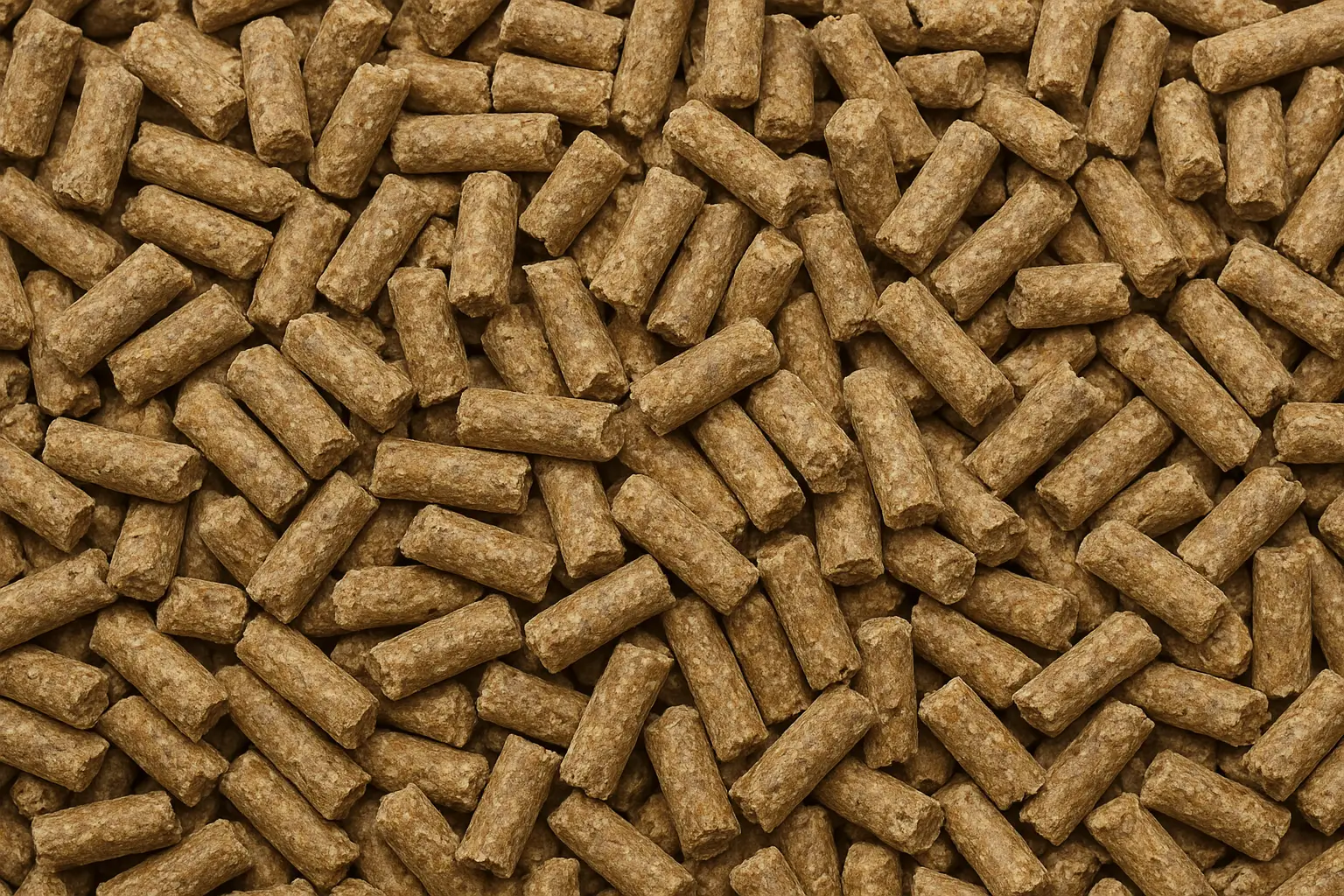
When pigs are given a mixed mash meal, they often pick out their favoured portions, which means they don’t get enough food and the feed is wasted. Pelleted feed keeps all the parts together, so each bite is a whole meal. The heat and pressure needed to manufacture pellets modify the way carbohydrates are structured, which makes them easier for pigs to digest.When pigs are given a mixed mash meal, they often pick out their favoured portions, which means they don’t get enough food and the feed is wasted. Pelleted feed keeps all the parts together, so each bite is a whole meal. The heat and pressure needed to manufacture pellets modify the way starches are built, which makes them easier for pigs to digest.

Parameters for the Technical Process
Parameter: Suggestion
Pellet Size: For most stages, 4–6 mm; for nursery pigs, 3 mm
Temperature for conditioning: 65–75°C
Important: To safeguard heat-sensitive nutrients, temperature management is very important.
Important Steps in Production
When you mix things up, the nutrients don’t necessarily stay the same. Using too much heat to condition the feed is one error. It is very vital to cool the pellets down the right way after they are made. If they are still warm, they can sweat within storage bins, which makes the air inside the bins damp and can lead to mould growth. This is a huge concern in organic systems because they don’t enable chemical mould inhibitors.
FAQ About Pig Feed Pellet Production
Q: What is the primary difference between creating pig feed that is not organic and pig feed that is organic?
A: You can’t use GMOs or synthetic additives in organic feed. Every ingredient must be certified organic. Additionally, you must keep accurate records of everything to show that you are following the rules set by a certifying body.
Q: Is it okay to use the same equipment for both organic and non-organic feed?
A: To avoid cross-contamination, you would need to have a very comprehensive and well-documented clean-out process between each batch. Any leftover non-organic material could keep your organic feed from getting certified.
Q: Is it more costly to manufacture your own organic pig feed?
A: Organic ingredients that have been certified are more expensive than regular ones. But creating your own organic feed is almost always cheaper than buying commercial feed that is already bagged and certified organic.
Q: Where can I get vitamins and minerals that are okay for organic feed?
A: You need to choose a vitamin and mineral premix that is “OMRI Listed” (Organic Materials Review Institute) or certified by the organic certifier you use.
