
What is Pet Food Extrusion?
Extrusion is the technology that makes pet food safe to eat, easy to digest, and safe to keep. A pet food extruder is a continuous, high-pressure machine that cooks dough at the same time. It heats, sterilizes, mixes, and shapes a feed mixture in one process. The goal is to make a final product that is easy to digest and will last a long time on the shelf.
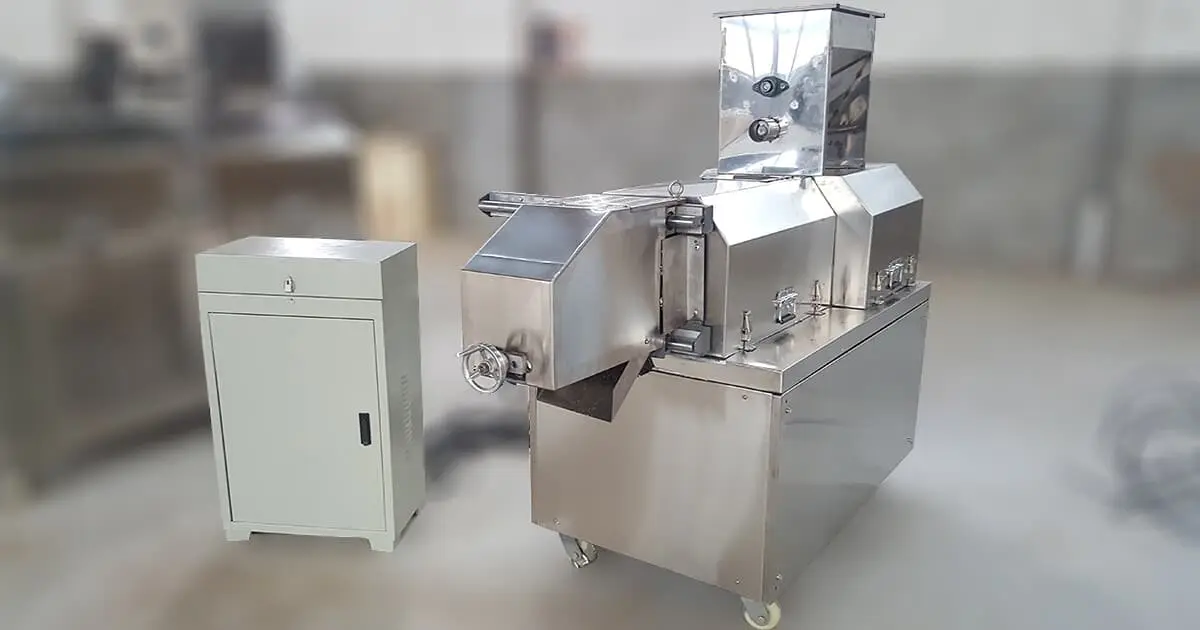
What the Extrusion Process Actually Achieves
- It Makes the Kibble Digestible (Starch Gelatinization) The most important job of extrusion is cooking the starches from pet food ingredients like corn, peas, or potatoes. Starch gelatinization is a process that breaks down raw starch at high temperatures. This makes it much easier for cats and dogs to digest the food and get energy from it.
- It Makes the Food Safe (Sterilization) The extruder gets very hot (usually between 120 and 150 degrees Celsius) and puts a lot of pressure on the bacteria, which kills them.
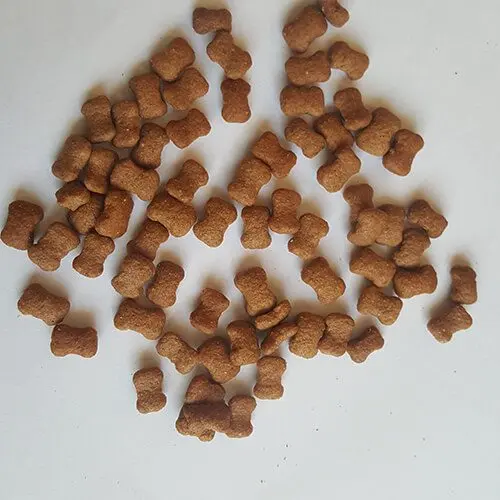
- It Creates the Kibble’s Shape and Texture The process gives the kibble its familiar crunchy, porous texture, as well as its uniform shape and size.
- It Allows for High-Fat Formulas The extrusion process makes it possible to add a lot of fats and oils.
Step-by-Step Guide to the Extrusion Process
- Step 1: Pre-Conditioning (Getting the Mix Ready) The dry ingredients are combined together and put in a pre-conditioner. This step mixes steam and water. It starts to heat the mixture up to 110–130 degrees Celsius.
- Step 2: The Extruder Barrel (The Cooking Zone) The extruder barrel gets the hot, moist mash. A massive, robust screw pushes the material forward. The screw cooks the mash all the way through at very high temperatures because of the strong pressure and friction.
- Step 3: The Knife and Die (Cutting and Shaping) At the end of the barrel, the baked dough is pushed through a die. The die is a plate with holes in it that gives the kibble its final shape. A set of blades that turns chops the kibble to the correct size as it comes out.
- Step 4: Expansion (The “Puffing” Moment) The dough hits the usual air pressure when it comes out of the die. When the pressure drops quickly, the water in the dough turns into steam right away. This helps the kibble puff up and gives it a light, crisp texture.
Wet Extrusion vs. Dry Extrusion
Dry Extrusion: In this procedure, there is no steam pre-conditioner. The friction inside the barrel is what creates all the cooking heat.
Wet extrusion is the method used to make all commercial pet food. It needs a steam boiler to power the pre-conditioner. This method gives you much better control, more capacity, and kibble that is more uniform.
Common Problems in the Extrusion Process
Your Grinder is Your Fuel Refinery. An extruder is like an engine and a grinder is like a fuel refinery. A fine, even powder is the first step to good extrusion.
The Surging Extruder. When the flow of kibble speeds up and slows down, most of the time, this is because the mixer doesn’t feed at a steady rate. The extruder likes a steady stream of material.
Don’t Forget About ‘Die Swell’. The hole in your die might be 4mm, but the kibble that comes out can easily get bigger than 6mm. The size of the hole you want to make should not be the only thing you think about when choosing the size of your die.

FAQ About Pet Food Extrusion
Q: What is “starch gelatinization” and why is it so important for pet food?
A: The extruder’s high heat and moisture break down the raw, crystalline structure of starch and turn it into a gel that can be digested.
Q: What is the main difference between a single-screw and a twin-screw extruder?
A: A single-screw extruder is easier to use and is the most common type for making pet food. A twin-screw extruder has two screws that fit together. You have a lot more control over how the material is mixed and moved. It’s better for making more complicated formulas, like those with a lot of fresh meat or fat.
Q: Why do they add fats and flavors to the kibble after the extrusion process?
A: The extruder gets really hot, which can ruin the taste and nutrition of delicate fats and flavors. Spraying these on the kibble after it has dried and cooled (a process called “coating”) keeps its quality and makes it taste better.
Q: Can an extruder make different shapes of kibble?
A: Yes. The holes in the die plate at the end of the extruder shape the kibble into its final shape. By changing this plate, a manufacturer can make kibble in many different shapes.
Q: Does the extrusion process destroy all the nutrients in the food?
A: No. Some vitamins are very sensitive to heat, so they can be damaged. To make up for this, they are often added back in slightly higher amounts. But the process makes it easier for your body to break down the most important nutrients, like proteins and carbohydrates.
