
Carbohydrate and Energy Base
With rising feed prices, homemade chicken feed reduces costs and supports better growth. Chicken farmers must know the essential nutrients and scientifically mix chicken feed ingredients for layers. A single feed cannot meet the nutritional needs of livestock and poultry. Layer poultry feed requires more than 8 types of layer feed ingredients.
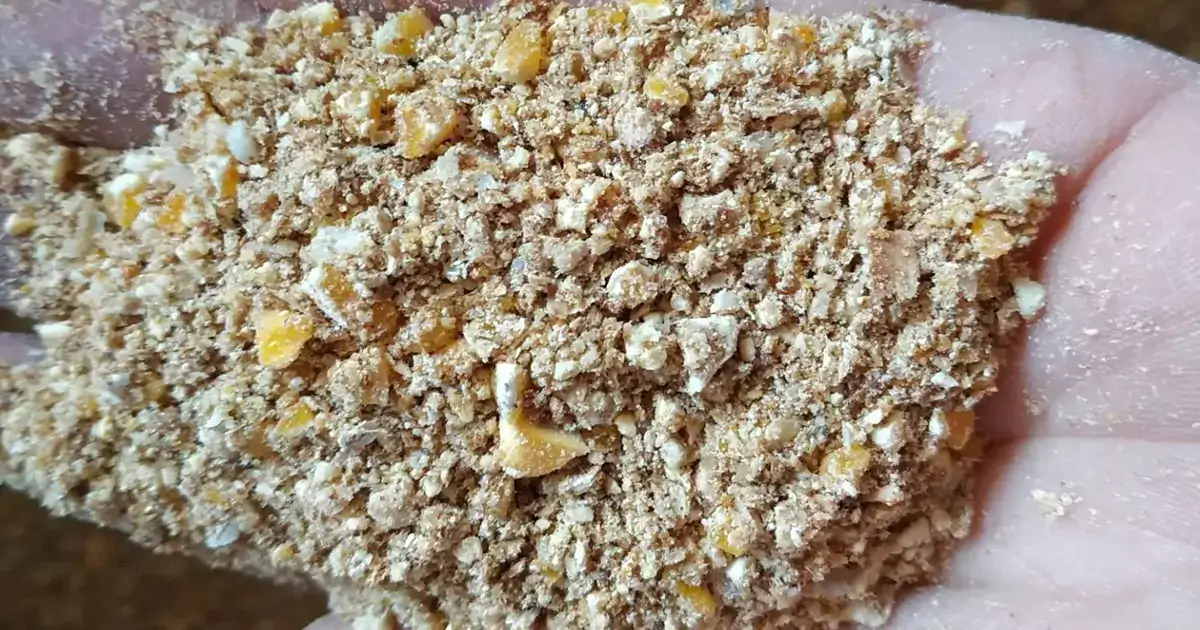
Corn, rice bran, bran and dried sweet potatoes are the main energy ingredients.
- Corn: One of the most energy-dense grain feeds, and can make up 45% to 70% of the mix.
- Bran: Has good palatability, contains high levels of protein and phosphorus, and can make up 5% to 30% of the mix.
- Barley: Contains a high level of crude fiber, the amount should not be too much, can account for 15% to 20% of the mix.
- Sorghum: Taste astringent, feed more will mix the chicken feed constipation, can account for about 10% of the mixture.
- Rice bran: Often used as an auxiliary material, should not exceed 8%.
Protein Feed Sources
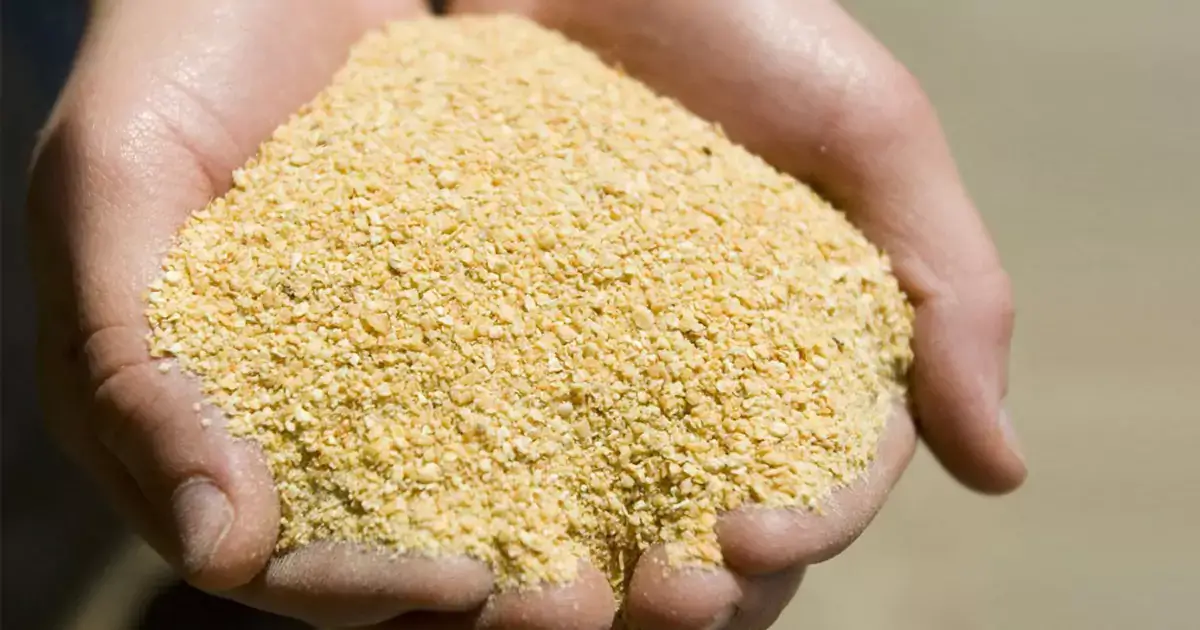
Protein is essential for poultry tissue development.
- Animal protein feed: Mainly includes fish meal, meat meal, crab meal, egg yolk powder, pupae powder and other types. This feed type has 30%-65% protein, making up 5%-30% of the chicken feed mix.
- Fish meal: A high-quality animal protein, should be 5%-15% of the mix, but its salt content must not exceed 0.4%.
- Plant-based protein feeds: Soybean and peanut cakes are excellent plant proteins, palatable and nutritious, comprising 10%-20% of the mix. Limit cottonseed cake, due to toxins, to under 7%.
Mineral and Silage Requirements
Poultry diets need added calcium, phosphorus, magnesium, and other minerals.
- Mineral Mix: Bone meal, shell powder, eggshell powder, calcium carbonate, and salt can account for 0.3% to 9% of the mixture.
- Bone meal: Mainly supplements calcium and phosphorus and can account for 1% to 2.5% of the mixture.
- Shellac: Mainly supplements calcium deficiency and can account for 1% to 7% of the chicken feed mix. It should be used more for laying hens.
- Salt: Mainly supplements the sodium deficiency in the mixture and usually accounts for 0.3% to 0.4% of the mixture.
- Silage feed: Alfalfa, clover, polymer grass, green vegetables, carrots can account for less than 30% of the mixture. The amount of various fresh green vegetables accounts for 20% to 30% of the mixture.
Specialized Layer Feed Formulas
Laying hens have specific nutritional needs, especially regarding Calcium for eggshell strength. An average laying hen will usually eat about 100-120 grams of feed each day.
After preparing a balanced layer feed formula, the next step is processing the feed into suitable pellets. A poultry feed pellet machine helps compress mixed ingredients into uniform pellets, improving feed utilization and reducing waste. Learn more about our poultry feed pellet machine for different farm and production requirements.
| Ingredient | General Layer (%) | High Production (%) | Grower Layer (%) |
| Corn | 50% | 50% | 55% |
| Soybean Meal | 20% | 25% | 20% |
| Limestone | 8% | 9% | 1% |
| Wheat Bran | 6% | 8% | 10% |
| Fish Meal | 5% | 2% | 3% |
| Rice Bran | 4% | 2% | 5% |
| Salt | 0.3% | 0.3% | 0.3% |
| Vitamin/Mineral Premix | 2% | 1% | 2% |
Essential Additives and Micro-Nutrient Dosages
Cod liver oil: Contains vitamin A and vitamin D. It has the functions of strengthening the body, improving the quality of eggshell and improving the resistance to cold.
- Calcium: Supplementing chickens with the right amount of calcium can reduce the chance of producing soft-shelled eggs. If a chicken is deficient in calcium it may cause toe twitching.
- Iodine: Boosts cold resistance and warmth. Add iodized salt as usual or include 2%-6% kelp in the diet.
- Iron: Iron deficiency in chickens can lead to reduced resistance to cold. It is very important to supplement laying hens with iron, the amount required is 35 to 45 mg per kg of diet.
- Vitamin C: Mixing 5 grams per 100 kg of feed reduces consumption and boosts egg production.
- Vitamin E: Added at 10 mg/kg, with early spring doses 2-6x higher to enhance immunity and egg yield.
From Feed Formula to Commercial Poultry Feed Production
For small farms, homemade chicken feed can help reduce feeding costs. However, commercial poultry farms usually require consistent feed quality, accurate nutrient ratios, and large-scale production capacity. A complete poultry feed production line can automate grinding, mixing, pelletizing, cooling, and packaging processes to produce stable-quality poultry feed.
