pellet feed VS mash feed, which is better?
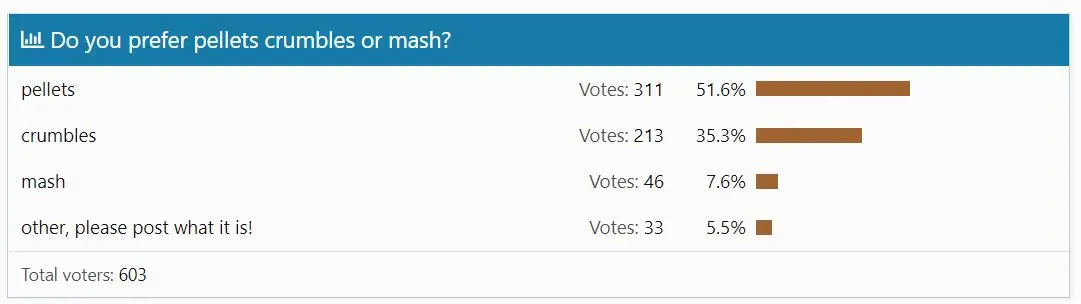
Pellet feed vs mash feed, which is better for poultry and animals? Feed types include pellet feed, mash feed and silage feed, which are commonly used in poultry farming? and what is the difference between mash and pellet feed?
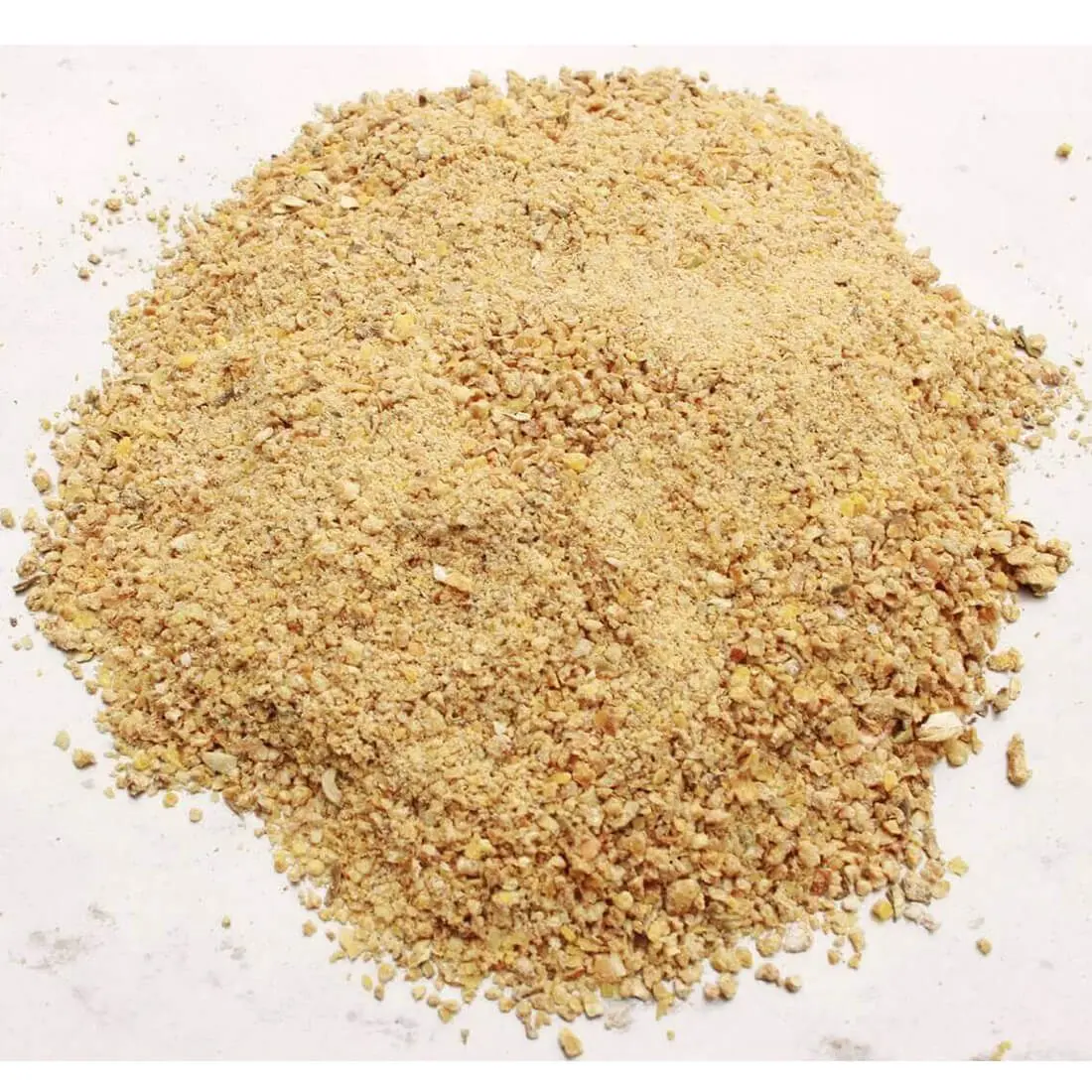
what is mash feed and Characteristics?
It’s made from crushed grains and mixed with protein powders and supplements. The protein powder in the mash is a fine, almost powdery mixture. Mash is designed to be a complete feed with appropriate levels of protein, vitamins and minerals. Mashed feed is a loose, unprocessed chicken feed that is usually fed to chicks because it is easily digested.
The Advantages of Mash Feed
- Digestibility for Specific Needs: One of the main benefits of feeding mash is that they are easier to chew and digest, for older horses as well as horses with dental problems such as interdental spaces.
- Hydration and Texture: By feeding mashed feed, it can also help increase fluid intake, which is very useful in summer and winter. Some chicken ladies or lads mix the mash with hot water for a porridge-like texture your flock will love.
- Fiber Source: Generally, mashed potatoes are a good source of fiber, many of which contain “super fibers” such as soybean hulls or beet pulp.
Disadvantages of Mash Feed
- Waste and Pests: Mash is harder to clear the ground and then attracts pests like rats and mice. It is less fluid in a gravity feeder and is more likely to get clogged with moisture.
- Nutritional Imbalance: If the particles in the mash are of different sizes, it may lead to an unbalanced diet. Chickens tend to pick larger pieces and scrape the finer grains aside.
What is pellet feed and Characteristics?
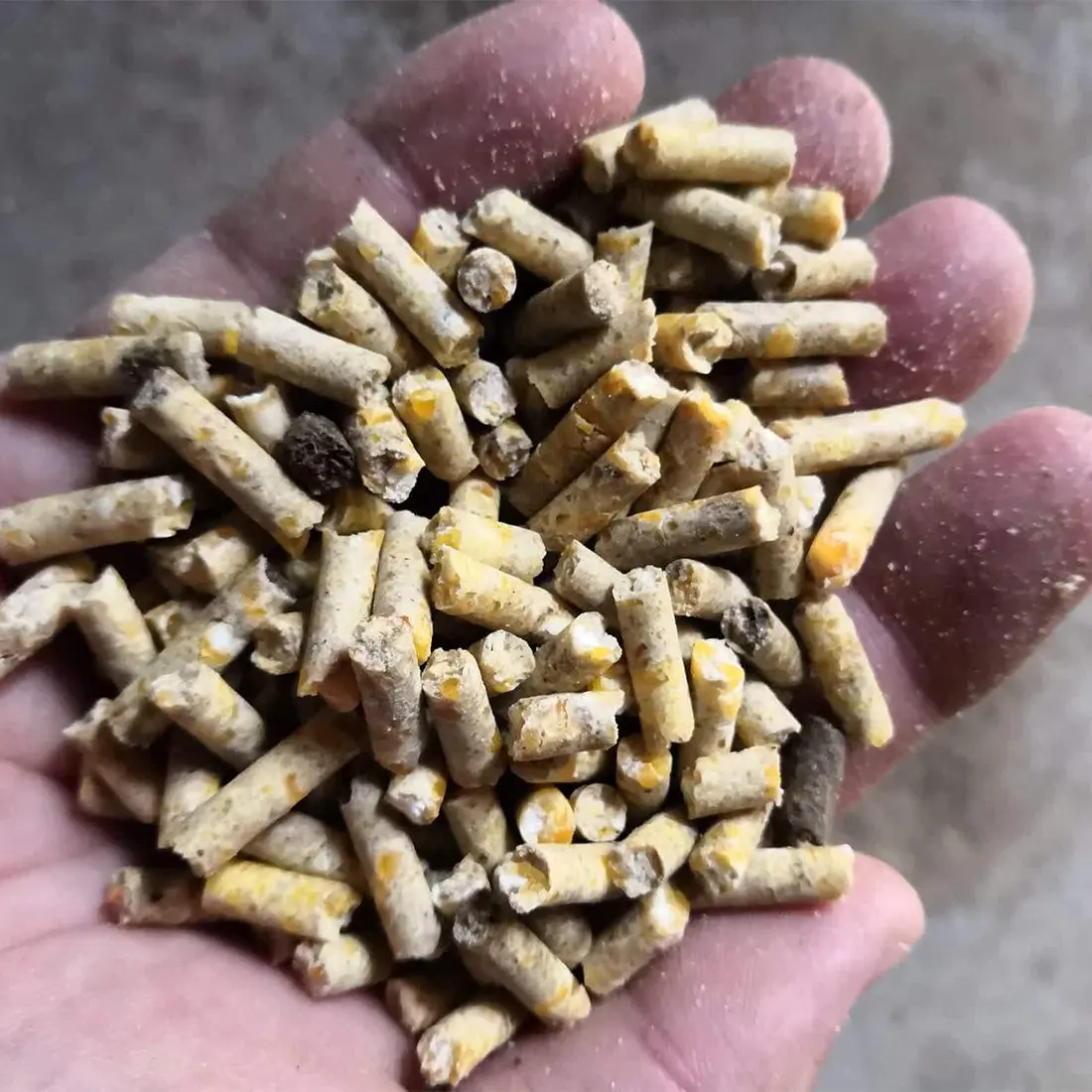
Pellets are made from mash, which is then heated and compressed into hard, dense pellets. With the same ingredients, pelleted feeds feeding horses has very similar nutritional benefits.
Advantages of Pellet Feed
- Physical Performance: Reduce dust and reduce waste. Increase the bulk density and increase the storage capacity of most bulk facilities.
- Nutritional Uniformity: Balance of nutrients and substances is guaranteed in each individual pellets by the principle of “all the ingredients in each pellet”. Prevent separation of ingredients during mixing, handling or feeding.
- Improved Digestibility: The heat generated during conditioning and pelleting makes the feed more digestible by breaking down the starch. Mechanical and thermal processing of ingredients in pelleted feed improves the nutritional value.
- Pathogen Control: Thermal treatment of ingredients reduces the content of undesirable microorganisms and their toxins in feed.
Disadvantages of Pellet Feed
- Production Cost: Increased feed cost due to pelleting process.
- Physical Risks: People who are gluttons may be more prone to choking, colic or other digestive disorders. The overheated granulation process may reduce the availability of amino acids such as lysine.
Solution: Making Your Own Organic Pelleted Feed
Most people have two really good reasons why they would like to make their own livestock feed: it’s much pretty cheaper than purchasing commercial feeds from a shop, what is more, the quality and ingredients can be controlled by themselves. You won’t need to worry too much about the proper balance of ingredients,because you can control it and balance the nutrition.
Homemade Organic Poultry Feed Mixture
You should be able to find all of the following ingredients in an organic variety:
- corn powder / wheat powder / rice husk
- grass meal / alfalfa meals / oat groats
- sunflower seeds meals / peanuts meals
- wheat bran / fish bone powder
- vitamins / oil cakes
Technical Workflow: From Mash to Pellet
Mix the feed by mixer machine to ensure they are mixed accurately then using a pellet mill to turn them into small size organic pelleted feed.
- Site Selection: Select a suitable site where you plan to manufacture the feeds. Ensure too that there is a good supply of water and power.
- Equipment: Purchase the manufacturing equipment–a pellet mill, 4.Hire workers to help you in the manufacturing process.
- Nutrition: Find out what ingredient and nutrition is best for your animals growing.
- Grinding: Grind the ingredients such as corn and bran, using a grinding machine.
- Mixing: Mix the resulting powder mixture with liquid ingredients such as oils, molasses and fats, using a concrete mixer or manually.
- Pelletizing: Use a pellet machine to turn the raw materials into pellets. Feeds that are in form of pellets can be easily handled and are not too dusty.
Final Conclusion
So pellet feed vs mash feed which is better for poultry, you should decide based on your poultry and animals and the popularity of what farmers use. To aid in choosing the right feed product, feeding instructions are included with each type of feed product to meet poultry nutrient requirements, no matter horse, chicken, duck, sheep, or cattle.